After the Wedding: Crafting the Film in Post-Production
The wedding day ends. The cameras are packed away. The celebrations are over. The guests return home. But the photographs are only beginning their next stage. Behind every polished wedding photograph is a process that transforms a camera file into a finished image. This is where wedding photo editing and post-production become essential. From correcting light and colour to carefully refining portraits, editing helps bring the photographer's original vision to life. But good editing is not about making photographs look artificial. It is about making them feel complete.
What Happens to Your Photographs After the Wedding?
A wedding can produce hundreds or even thousands of photographs. The first step is reviewing and organising this large collection. Photographers identify the strongest frames while removing duplicates, accidental shots, technical mistakes and images that do not contribute to the final collection. This process is called photo culling. It may sound simple, but selecting the right photographs requires a trained eye. A great wedding album is not necessarily about having more photographs. It is about having the right photographs.
Step 1: Selecting the Best Frames
Not every photograph needs to make it into the final collection.
A photographer looks for:
- Genuine expressions
- Strong composition
- Important rituals
- Family interactions
- Emotional moments
- Creative perspectives
- Details and atmosphere
A single meaningful photograph can be more valuable than ten similar frames. This selection process helps create a wedding gallery that feels intentional rather than overwhelming.
Step 2: Correcting Exposure and Light
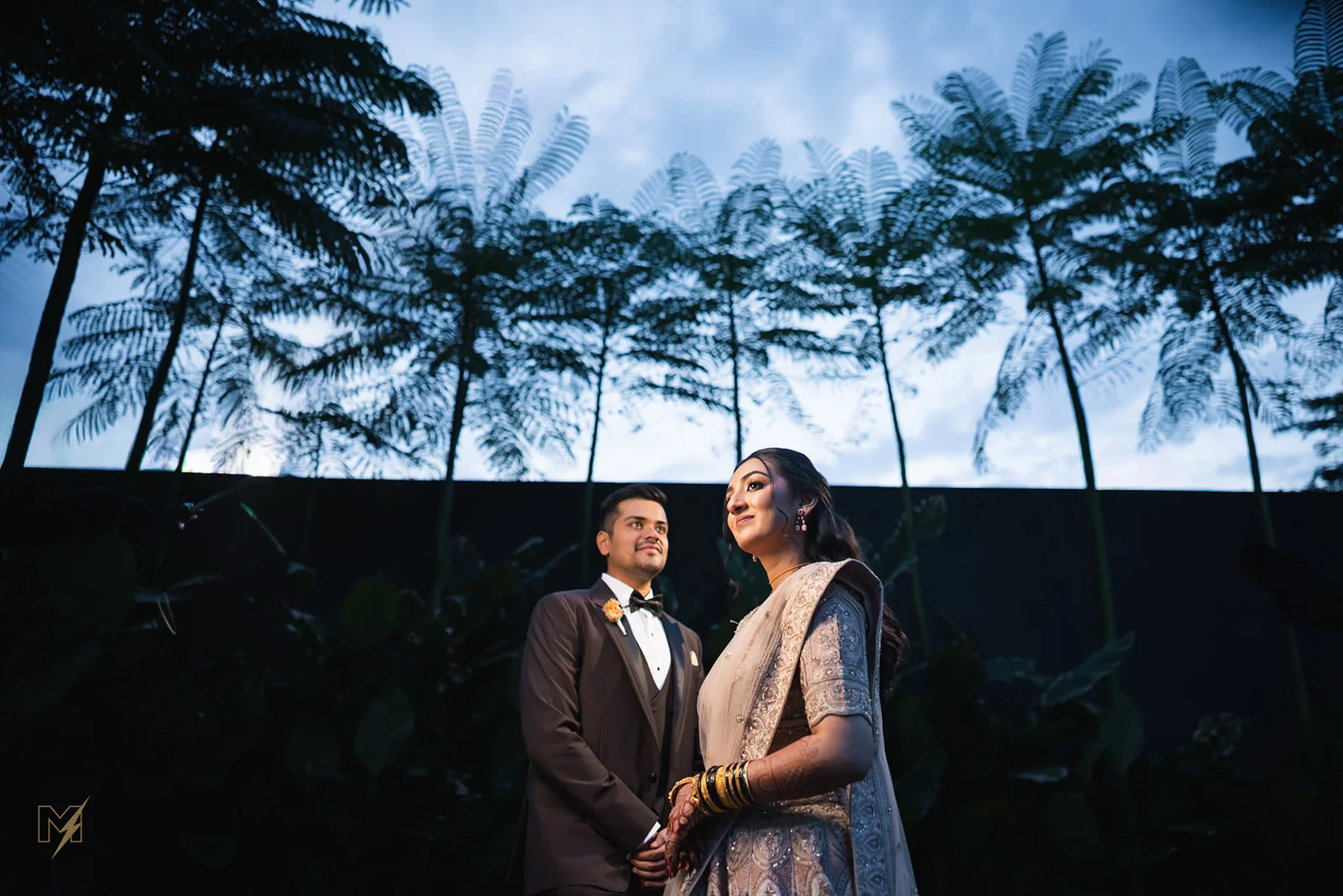
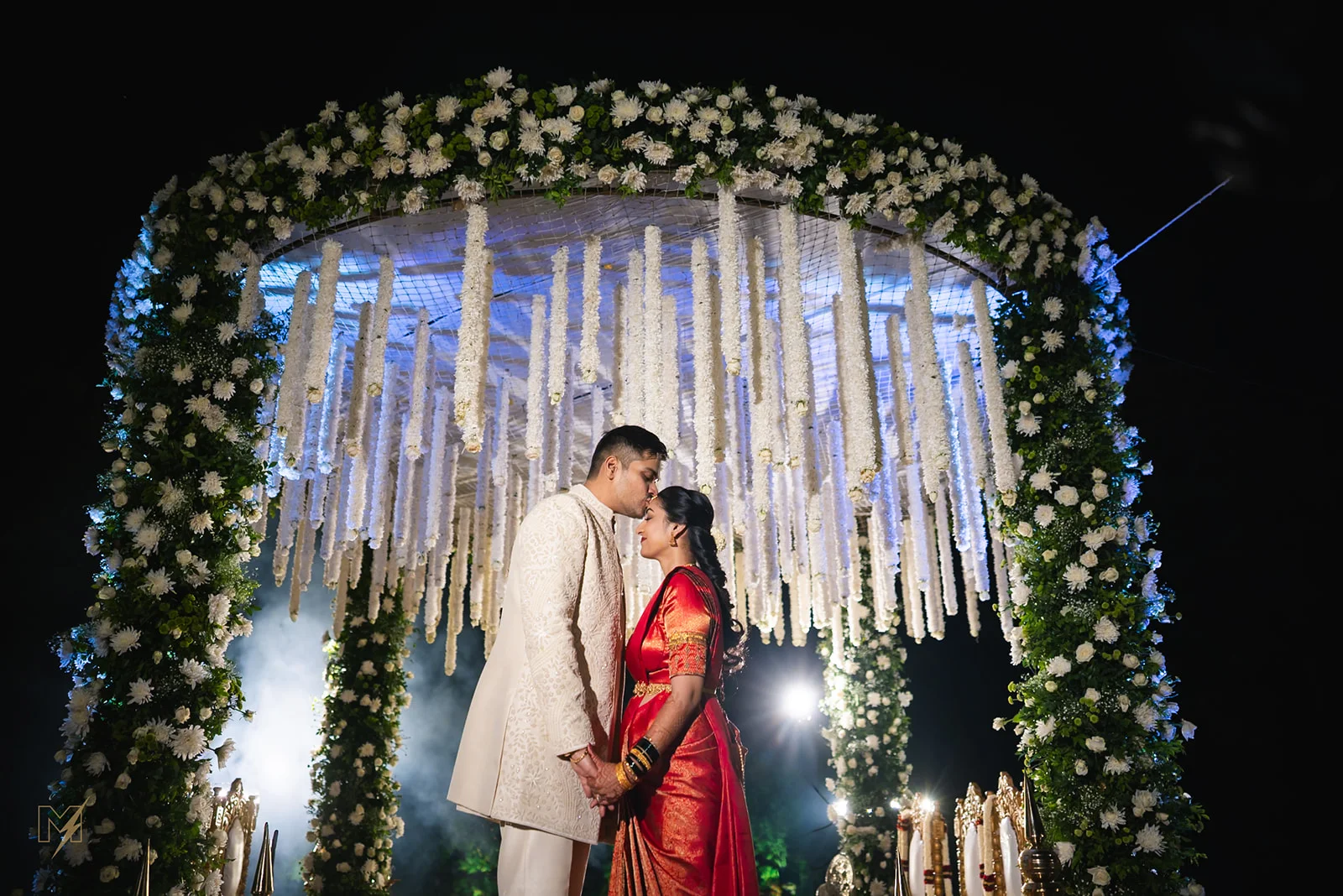
Wedding venues can have challenging lighting conditions. One moment may involve bright sunlight. The next may take place inside a dimly lit hall. Reception venues may combine stage lights, decorative lighting and artificial sources with different colour temperatures. Post-production helps balance these differences. Exposure, highlights, shadows, contrast and brightness can be adjusted so that photographs look consistent while retaining the atmosphere of the original moment. The objective is not to replace the lighting. It is to refine what was already captured.
Step 3: Getting the Colours Right
Colour plays a major role in wedding photography.
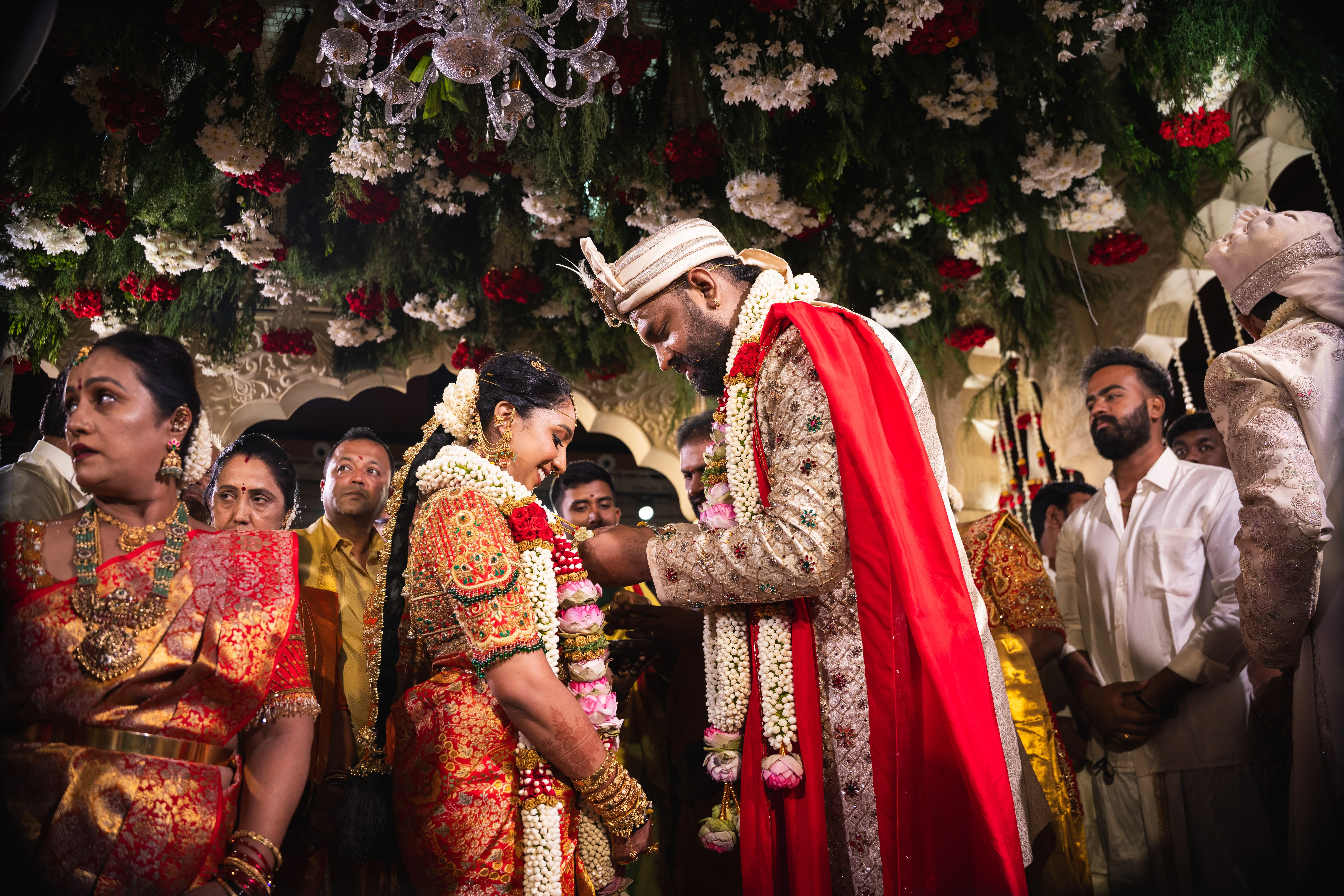
The rich red of a saree.
The gold of traditional jewellery.
The green of floral decorations.
The warm tones of temple interiors.
If colours are inconsistent, an entire wedding album can feel disconnected.
Colour correction and grading help create visual consistency across different locations and lighting conditions.
Professional editing ensures that skin tones remain natural while the overall image retains its character.
Step 4: Retouching Without Losing Reality
Portrait retouching is another important part of post production. But there is a difference between refinement and transformation. Professional retouching can remove temporary distractions such as minor blemishes, stray elements or unwanted objects while preserving the person's natural features. The aim should never be to make someone look like a completely different person. The best retouching is often the kind you do not notice. You simply see a polished photograph that still feels authentic.
Step 5: Bringing Out the Emotion
Editing is not purely technical. It also influences how an image feels. A soft adjustment to contrast can make an intimate photograph feel warmer. Careful shadow control can add depth to a dramatic portrait.
Subtle colour grading can enhance the atmosphere of a traditional ceremony. The photographer's visual style becomes particularly evident here. The work associated with experienced photographers such as Sujay Sir demonstrates how thoughtful post production can complement strong photography rather than overpower it. The editing supports the expressions, composition and atmosphere already present in the original frame.
That balance is what keeps photographs polished without making them feel overly processed.
Editing Is Not a Magic Fix
There is a common misconception that editing can fix everything. It cannot. Post production can improve exposure, colour, composition and minor distractions, but it cannot completely replace good photography.
Strong photographs begin with: Good light + thoughtful composition + correct exposure + precise timing. Editing then enhances those foundations. This is why the skill of the photographer and the skill of the editor work together.
Why Consistency Matters in a Wedding Album
Imagine opening an album where every photograph has a completely different colour tone.
One image looks warm.
Another looks blue.
One portrait is heavily edited.
Another appears completely natural.
The result can feel disconnected.
Consistent post production creates visual flow.
The photographs should feel like different moments from the same wedding, even when they were captured in different locations and lighting conditions.
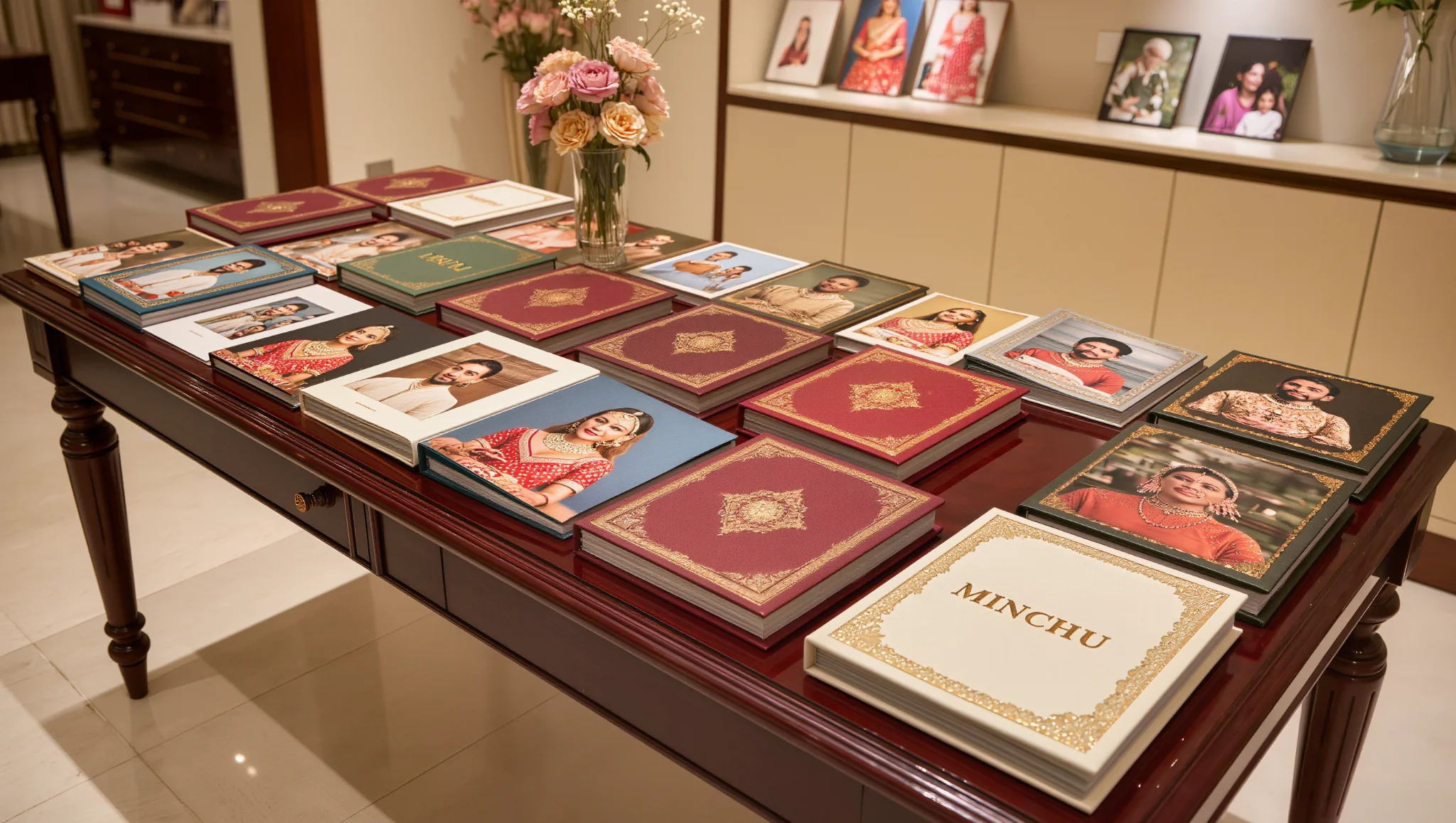
This becomes especially important when designing a printed wedding album.
From Individual Images to a Visual Collection
Once photographs are edited, another important stage begins: sequencing. A wedding album should have rhythm. Preparations can establish anticipation. The ceremony can build emotion
Portraits can create visual pauses. Celebrations can bring energy. The final pages can slow down again. Good sequencing allows photographs to work together rather than existing as isolated images. The result feels closer to experiencing the wedding than simply scrolling through a folder of files.
How Long Does Post-Production Take?
The timeline depends on the number of photographs, services selected and level of editing required.
A professional workflow can involve:
Culling → Colour Correction → Detailed Editing → Retouching → Final Review → Album Selection → Design
Each stage requires attention.
Rushing the process can affect consistency and quality.
This is why couples should always ask their photographer about the expected delivery timeline before booking.
Why Professional Editing Matters
Modern cameras capture remarkable detail, but the camera does not automatically create the final photograph. The final image depends on decisions made before, during and after the wedding. Professional post-production ensures that those decisions remain visually consistent. It can turn technically correct images into photographs with stronger atmosphere, balance and emotional impact. Most importantly, it protects the photographer's original intent.
What Should Couples Ask Their Photographer?
Before booking, ask:
How are photographs edited?
Understand whether colour correction and retouching are included.
Who handles the editing?
Knowing whether editing is done in house or outsourced can help you understand the workflow.
Will the editing style remain consistent?
Ask to see a complete wedding gallery rather than individual images.
How long will delivery take?
Clarify timelines for edited photographs, albums and other deliverables.
The Final Photograph Is a Collaboration
A beautiful wedding photograph begins long before editing. It starts with the photographer noticing a moment. It continues with the camera capturing light, expression and composition.
And it reaches completion during post production. Editing should not erase what happened. It should help you see it more clearly. That is the real craft behind wedding post production. Because when the colours are balanced, the light is refined and unnecessary distractions disappear, what remains is the most important part: the emotion you actually experienced. The wedding may last a day. But thoughtful photography and careful post-production can help that feeling remain for generations.