Why Wedding Photography Timing Matters: Picture-Perfect
A wedding is filled with moments that happen only once. A smile, A glance, A tear, A laugh, A ritual that lasts just a few seconds. A photographer can have the best camera and the perfect lens, but if the timing is wrong, the moment can disappear before the shutter is pressed. That is why wedding photography timing is much more than pressing the shutter at the right second. It is about anticipation, observation and knowing when something meaningful is about to happen.
Wedding photography timing: The Difference a Second Can Make!
Wedding moments are constantly changing. A bride smiles before the ceremony begins, A groom looks towards his family. Parents react to a ritual,Friends suddenly burst into laughter, These expressions can disappear almost instantly, Press the shutter too early and the emotion may not have appeared yet, Press it too late and the moment may already be gone. The best photographs often happen in that small space between anticipation and action.
Timing Starts With Anticipation
Great wedding photographers don't simply react to moments.
They anticipate them.
They observe body language.
They understand the sequence of rituals.
They watch people's expressions.
They position themselves before something important happens.
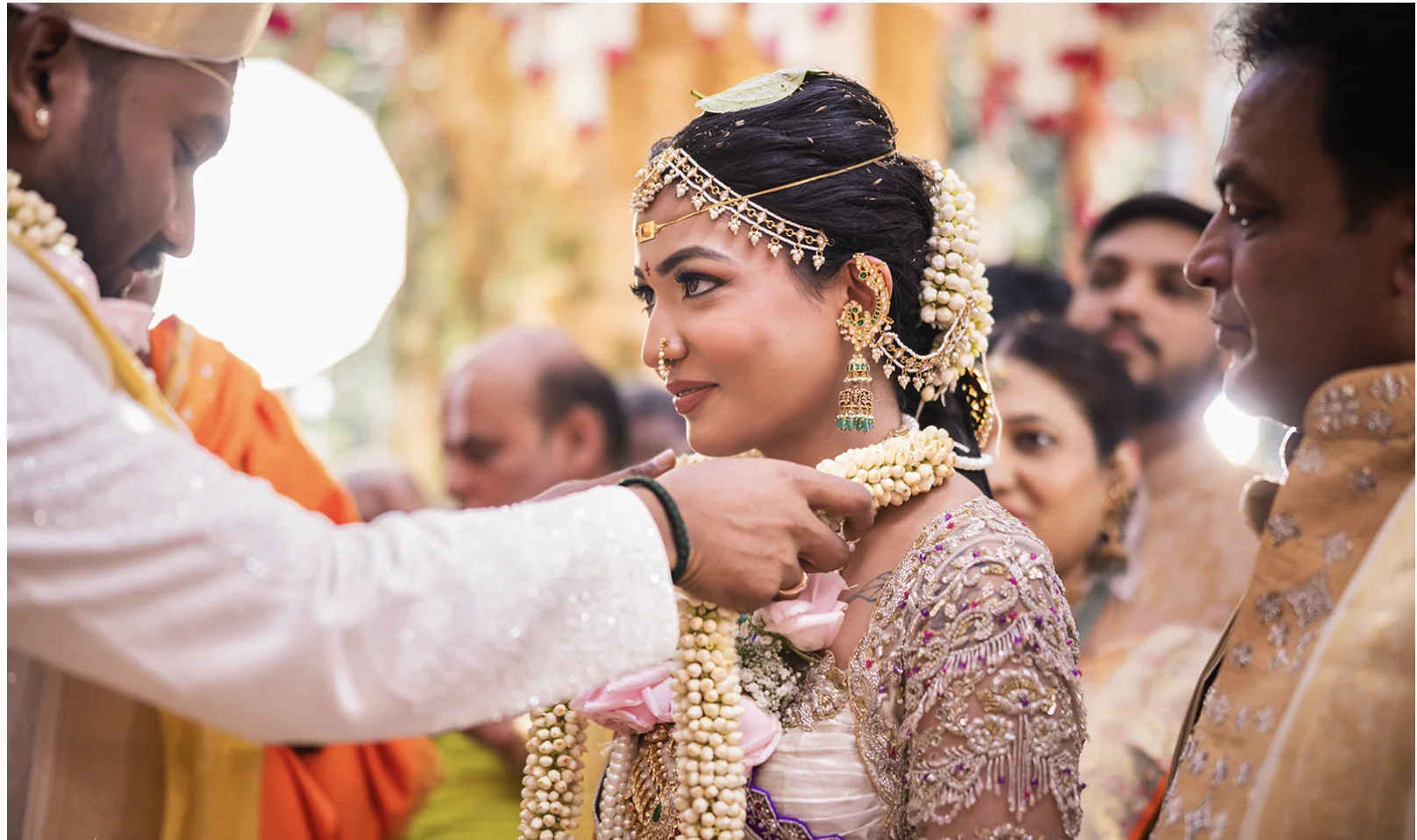
For example, during a garland exchange, an experienced photographer already knows that laughter, movement and excitement are likely to follow. Instead of waiting for the reaction, they prepare for it. That preparation creates opportunities for photographs that feel spontaneous but are technically strong.
Timing and Wedding Rituals
Indian weddings are filled with rituals that happen quickly.
A blessing.
A garland exchange.
The tying of the thaali.
A family ritual.
A ceremonial gesture.
Each moment has cultural significance. Missing the key second can mean missing the essence of the ritual. This is especially important in South Indian weddings, where several ceremonies may happen within a structured sequence. A photographer needs to understand not only what is happening, but also what is about to happen next.
Capturing Real Reactions
Sometimes the most important photograph isn't the ritual itself.
It is the reaction immediately after it.
The bride's parents becoming emotional.
The groom's friends celebrating.
A grandparent smiling.
The couple looking at each other.
These reactions cannot be recreated. You cannot ask someone to become emotional again simply because the photographer missed the first moment. This is why anticipation is essential to candid wedding photography.
Timing Creates Natural Couple Portraits
Timing is not limited to candid photographs.
It also matters during couple portraits.
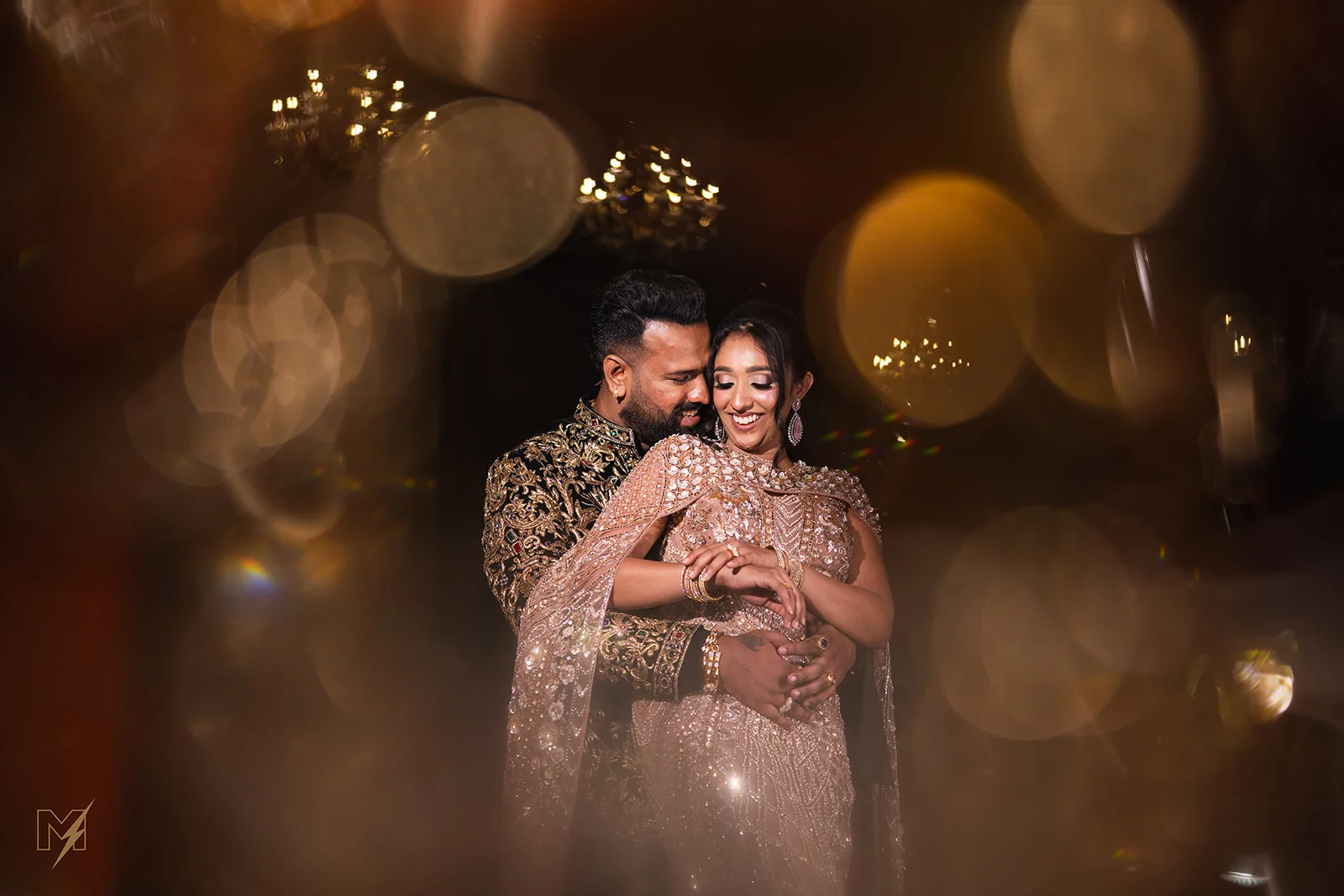
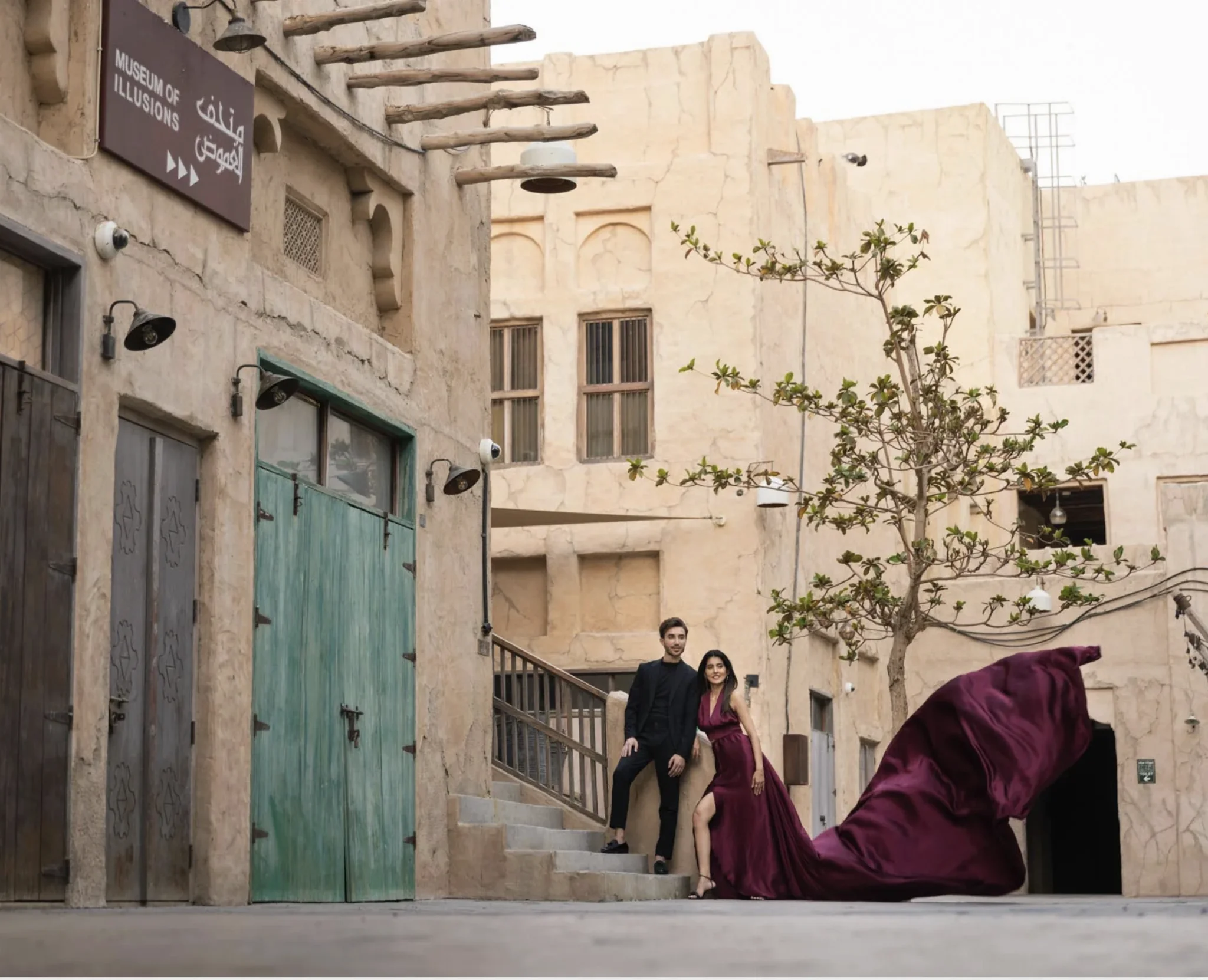
Instead of asking a couple to hold the same pose for several seconds, a photographer can create movement.
Walk together.
Look at each other.
Talk.
Laugh.
Turn towards the camera. These simple actions create natural transitions. The photographer can capture the moment when the couple's expression feels genuine rather than waiting for a perfectly posed smile. The result feels more relaxed and personal.
Light Has Its Own Timing
Light changes throughout the wedding day.
Morning light is different from afternoon light.
Afternoon light is different from sunset.
Sunset itself may last only a short time.
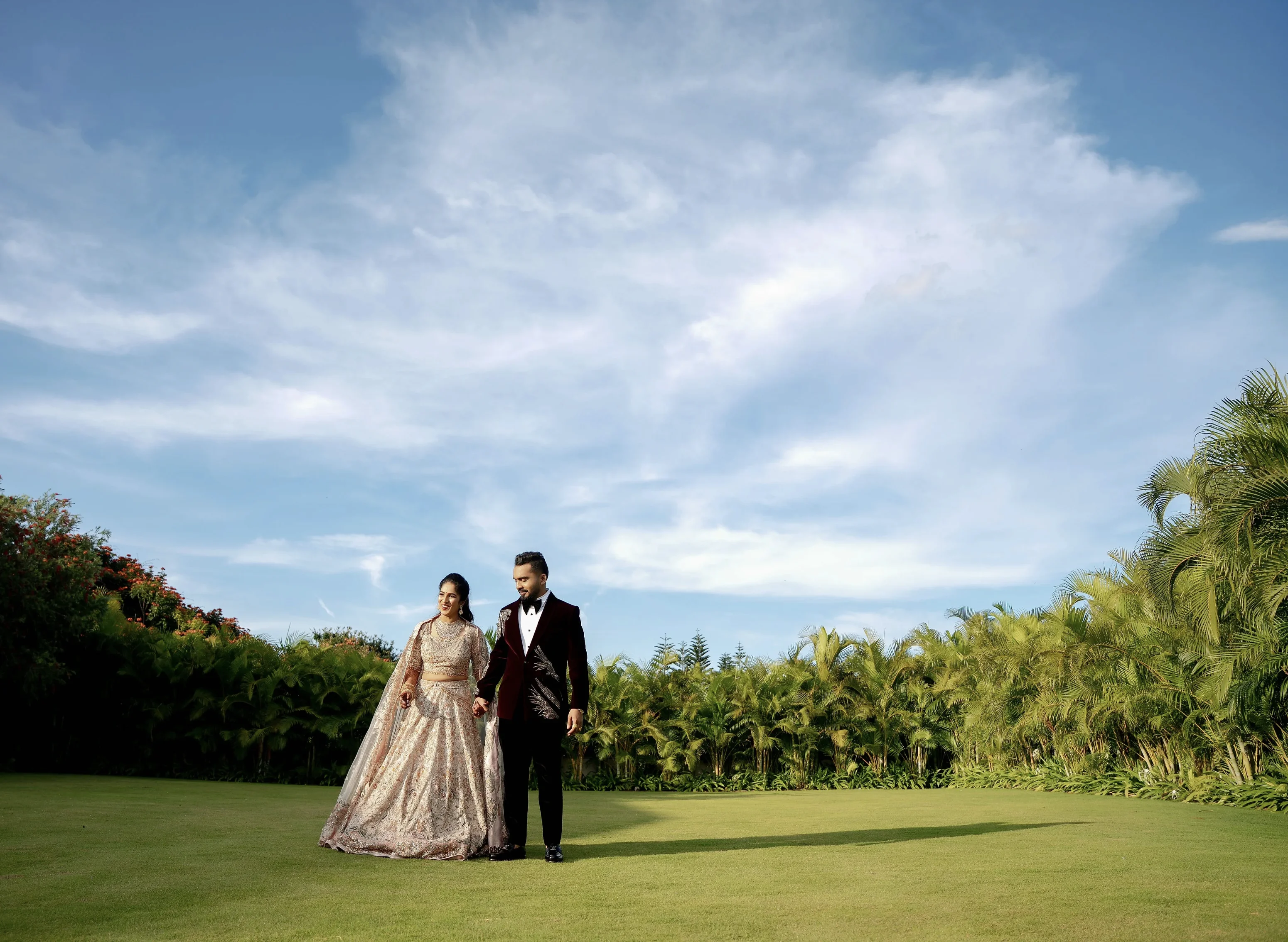
This is why timing becomes particularly important when planning outdoor couple portraits.
Golden hour can provide soft, warm and flattering light.
If the session begins too late, the ideal light may disappear.
If it begins too early, the light may be much harsher.
Understanding the movement of light allows photographers to plan rather than simply react.
Golden Hour Is a Window, Not a Moment
Golden hour is often discussed as if it lasts for a fixed period. In reality, its appearance changes depending on location, season, weather and surroundings. The photographer needs to understand when the light will become softer and warmer and plan accordingly. A short portrait session at the right time can sometimes create more visual impact than a much longer session in difficult light. This is why wedding photography timelines should consider sunset timing, not just ceremony timings.
Timing Helps With Family Portraits Too
Family portraits may seem more controlled, but timing still matters.
Large groups can become tiring.
Children may lose patience.
Elderly relatives may need breaks.
Guests may need to move between ceremonies. Planning portraits at the right time helps keep everyone comfortable. For example, photographing grandparents earlier in the day may be more practical than making them wait through a long series of events. Good timing improves both the photograph and the experience.
The Photographer Must Know When to Wait
Timing is not always about being fast.
Sometimes the best decision is to wait.
A couple may naturally move into a better position.
Someone may look towards the bride.
A laugh may develop into a genuine expression.
A person may step into beautiful light.
Instead of interrupting the moment, the photographer can observe and allow it to develop. Patience can be just as valuable as speed.
Knowing When Not to Photograph
Professional wedding photography also involves restraint.
Not every second needs to be captured.
During emotional or intimate moments, stepping back can be more respectful. A photographer needs to understand when being invisible is more important than getting another photograph. This creates space for genuine interactions and allows the wedding to remain a celebration rather than becoming a continuous photoshoot.
Experience Sharpens Timing
Timing improves with experience.
Every wedding teaches a photographer something new about movement, light, people and unpredictability.
Experienced photographers begin to recognise patterns.
They know when a ritual is approaching its most important moment.
They notice when a parent is about to react.
They understand where guests are likely to gather.
They can anticipate what is coming without needing to be told. The work associated with photographers such as Sujay Sir reflects this kind of experience driven observation. Years of photographing weddings can develop an instinct for positioning, timing and emotional anticipation, allowing fleeting moments to be captured without making them feel staged.
Timing and Technology Work Together
Modern cameras offer fast autofocus, high burst rates and excellent low-light performance.
These technologies certainly help.
But technology cannot decide which moment matters. A camera can capture dozens of frames in a second. The photographer still needs to know when to start shooting, where to position themselves and which frame tells the story best. Technology supports timing. It does not replace it.
The Importance of a Well-Planned Timeline
Good timing begins before the wedding day.
A photography timeline should consider:
- Ceremony timings
- Travel between locations
- Getting-ready photographs
- Family portraits
- Couple portraits
- Golden hour
- Reception
- Special rituals
Building small buffers into the schedule is equally important. Weddings rarely run perfectly according to the clock. A little flexibility gives the photographer room to capture unexpected moments without creating unnecessary pressure.
The Best Moments Cannot Be Repeated
A wedding photograph has one unique advantage.
It can preserve something that will never happen in exactly the same way again.
The expression on a parent's face.
The couple's first glance.
A friend's spontaneous reaction.
A grandparent's blessing.
A moment of laughter between ceremonies. These moments are impossible to reproduce perfectly. That is why timing matters so much.
Timing Turns Moments Into Memories
Great wedding photography isn't simply about being present when something happens.
It is about being ready before it happens.
It is knowing when to move closer.
When to step back.
When to wait.
When to press the shutter.
And when to simply let the moment unfold.
Because a wedding day moves quickly.
The rituals continue.
People laugh, cry, celebrate and move on. But the right photograph can stop one of those fleeting seconds in time. A moment may last for a second. A photograph can make it last for generations.