Candid Wedding Photography and Why the Unplanned Moments Last Forever
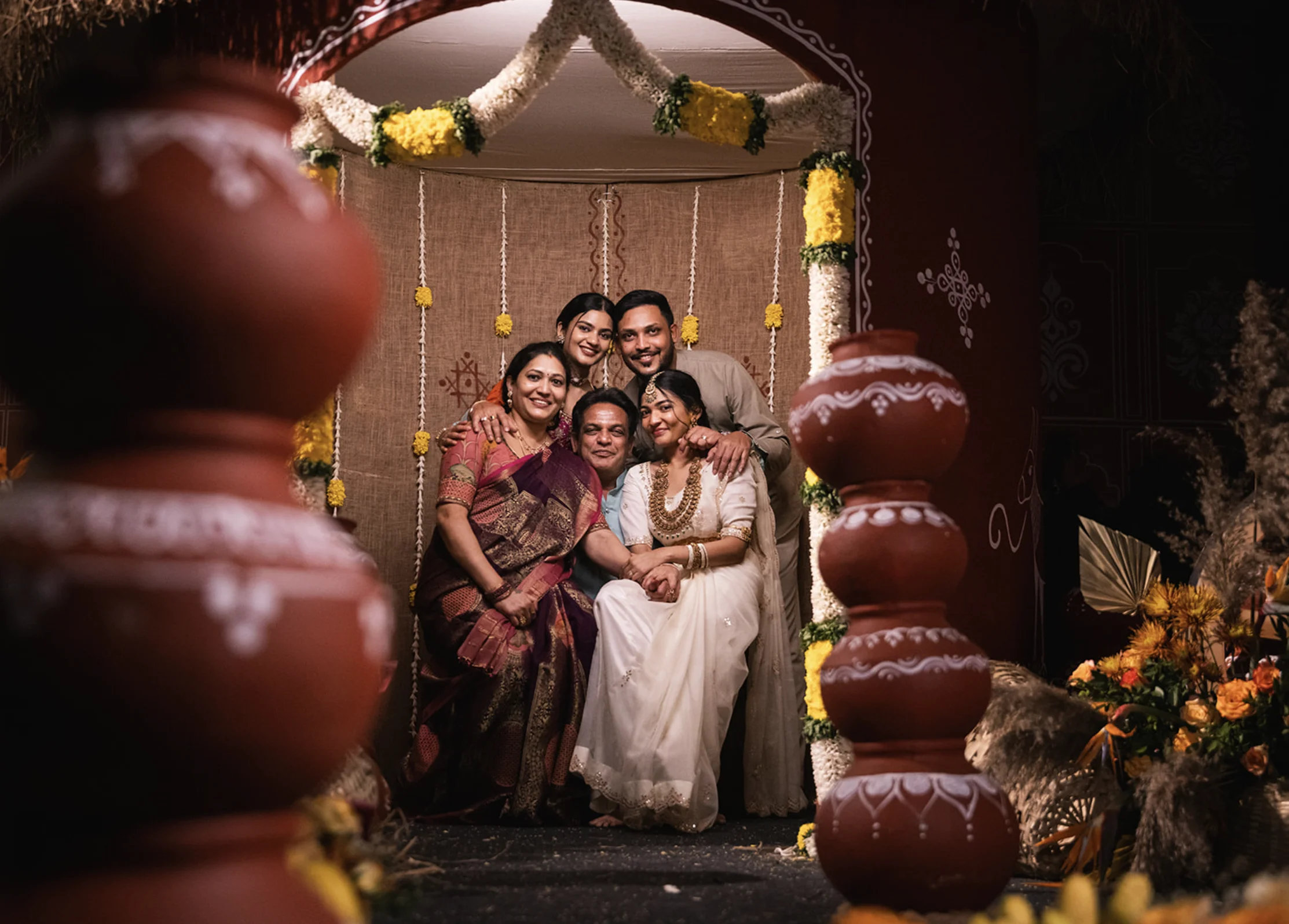
Ask any couple to describe their favourite photograph from their wedding and the answer is almost never a formally posed shot. It is usually something unexpected. The grandmother whispering something into the bride's ear right before she walked out. The groom's best friend grabbing his hand when the vows started getting real. The youngest child at the reception who fell asleep holding a flower while the dancing was still going at full volume around him. Candid wedding photography exists to catch exactly these moments, and the reason they mean so much is precisely because nobody asked for them.
What Makes a Candid Image Different From a Posed One
The technical difference is simple enough. In a posed image, the photographer arranges people, adjusts positions, asks for smiles, and then takes the picture. In candid wedding photography, the photographer watches and waits. The camera goes up only when something real is already happening. But the emotional difference between those two approaches in the resulting photographs is enormous.
You can feel a posed image. Something in your body recognises the performance of it, even when it is beautifully lit and perfectly composed. With a genuine candid image, you feel yourself drawn into the moment rather than observing it from outside. There is no sense that anyone was aware they were being photographed. The emotion is simply there, unguarded and complete. That quality is almost impossible to fake, and it is why couples consistently describe their candid images as the ones they return to most often. See our wedding portfolio for examples of how this approach plays out across very different kinds of weddings and families.
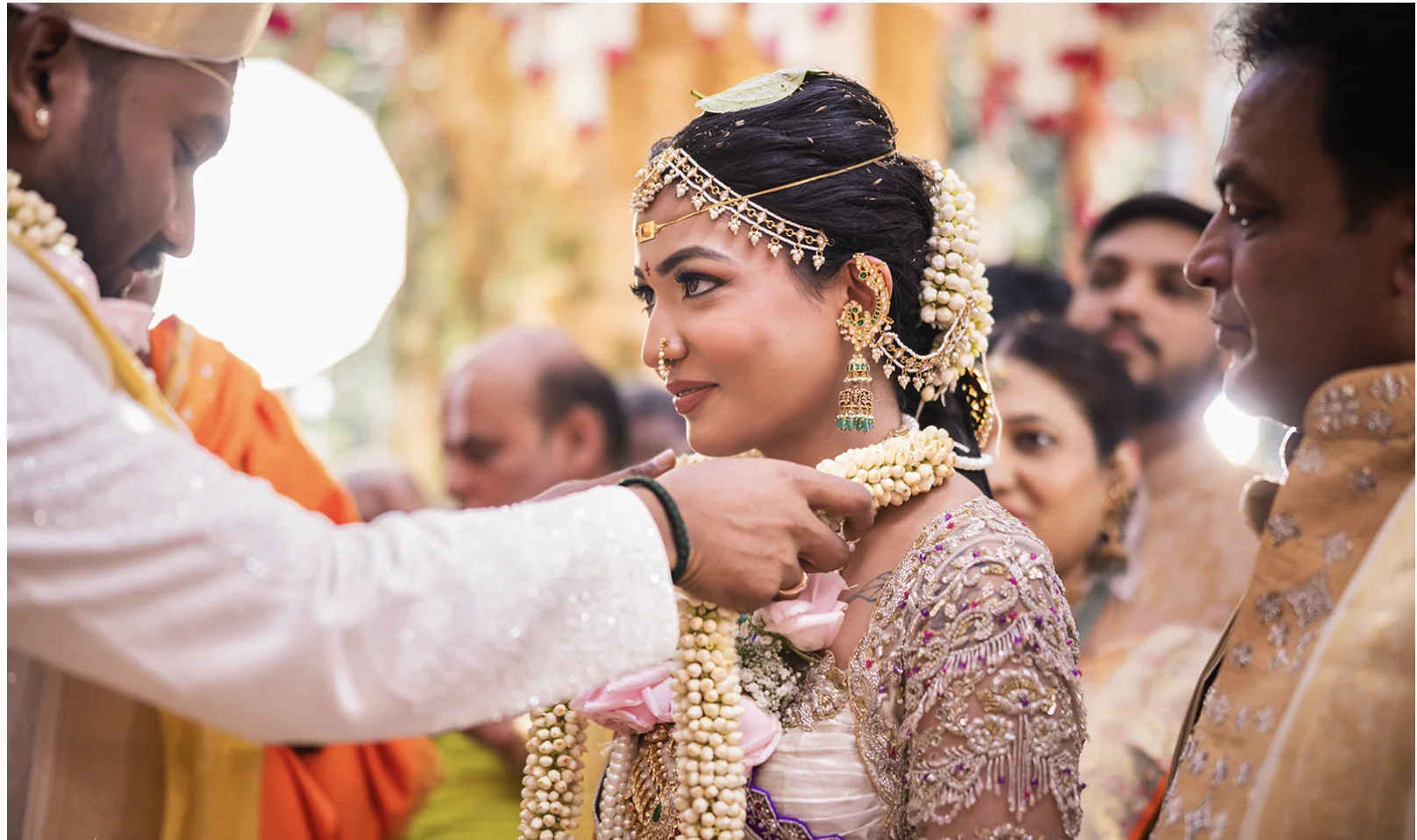
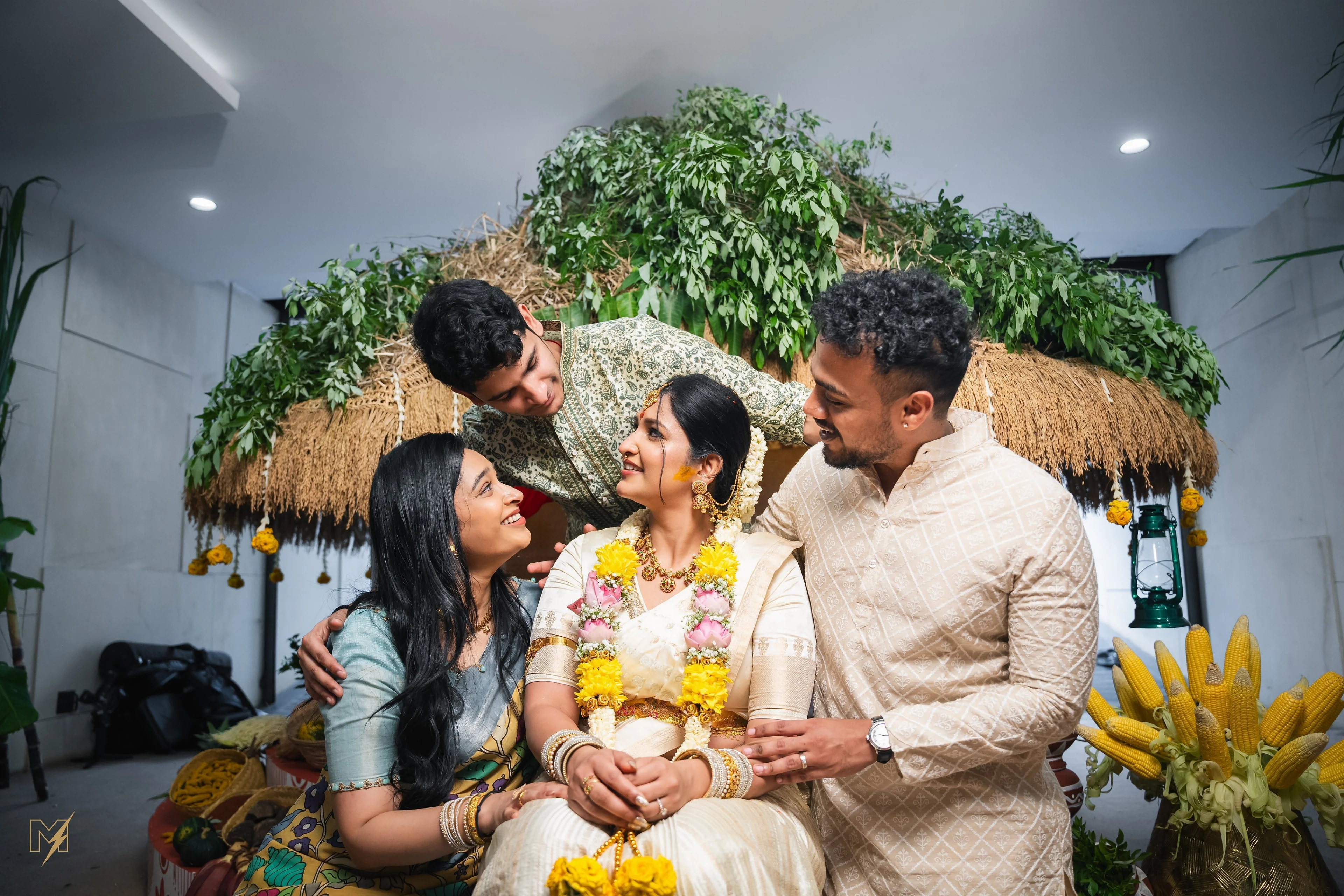
For Indian weddings particularly, the candid approach produces extraordinary results. The richness of events across multiple days, the layered family dynamics, the specific cultural rituals that carry generations of meaning, the sheer scale of joy and emotion that moves through an Indian wedding celebration. All of it is material for a photographer who is truly watching. The Haldi ceremony where a bride's cousins are trying to hide the emotion on their faces. The moment during the Mehendi when a song comes on that the sisters have been singing together since childhood. These things happen whether a camera is pointed at them or not. The question is only whether your photographer is alert enough to catch them.
How We Approach Candid Coverage at Minchu by Sujay
We spend the first thirty to forty minutes of every wedding event without raising the camera very much. This sounds counterintuitive but it is one of the most important things we do. People are aware of the camera at the start of any gathering. They adjust their posture. They become a slightly performed version of themselves. By simply being present and unobtrusive during this initial period, we allow guests and family to relax into the natural rhythms of the event. By the time the most significant moments arrive, most people in the room have forgotten we are there.
We work with prime lenses in the 35mm to 85mm range for close-coverage work and longer lenses when photographing from across a ceremony or reception hall. The longer focal length allows us to fill the frame with an intimate close-up while being far enough away that the subject has no sense of being scrutinised. For technical reading on how focal length affects candid photography, Magnolia Rouge and Style Me Pretty feature excellent examples and discussions of documentary-style wedding coverage from photographers around the world. Explore our blog for more on the philosophy and craft behind what we do.
Why Candid and Posed Coverage Work Best Together
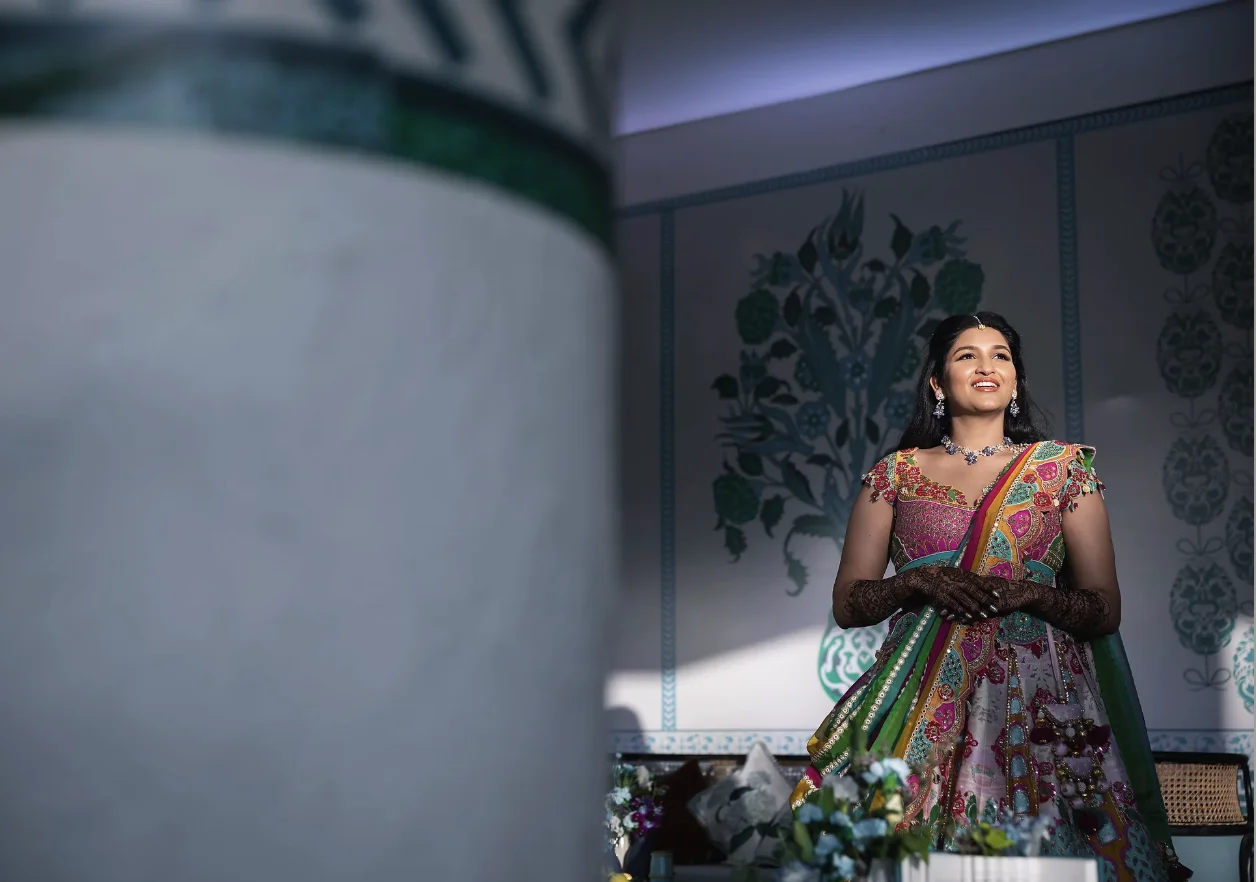
Pure candid wedding photography on its own is not always the complete answer. Families want a clear photograph where everyone is looking at the camera. The bride wants a portrait that captures the full beauty of her outfit in beautiful light. The couple wants at least one image together that is composed and considered enough to hang on a wall. These require a degree of direction that candid coverage alone cannot provide.
The skill is in knowing when to step in and when to step back. During the ceremonies, the speeches, the moments of genuine family interaction, we work in pure observation mode. During the designated portrait time, we take a more intentional approach, guiding people into beautiful light and helping them find natural positions without making the experience feel like a photoshoot. The best wedding galleries contain both kinds of images and each kind makes the other feel richer by contrast.
If you have been wondering whether candid wedding photography is right for your celebration, the honest answer is that it suits almost every kind of wedding because it suits every kind of human being. Everyone has genuine emotions on their wedding day. Everyone has moments of real connection with the people they love. The only question is whether someone is watching carefully enough to preserve them. Contact us to talk about how we approach your specific wedding, or read our piece on documentary wedding photography to understand more about our storytelling approach.