Documentary Wedding Photography: Telling the Truth About Your Day
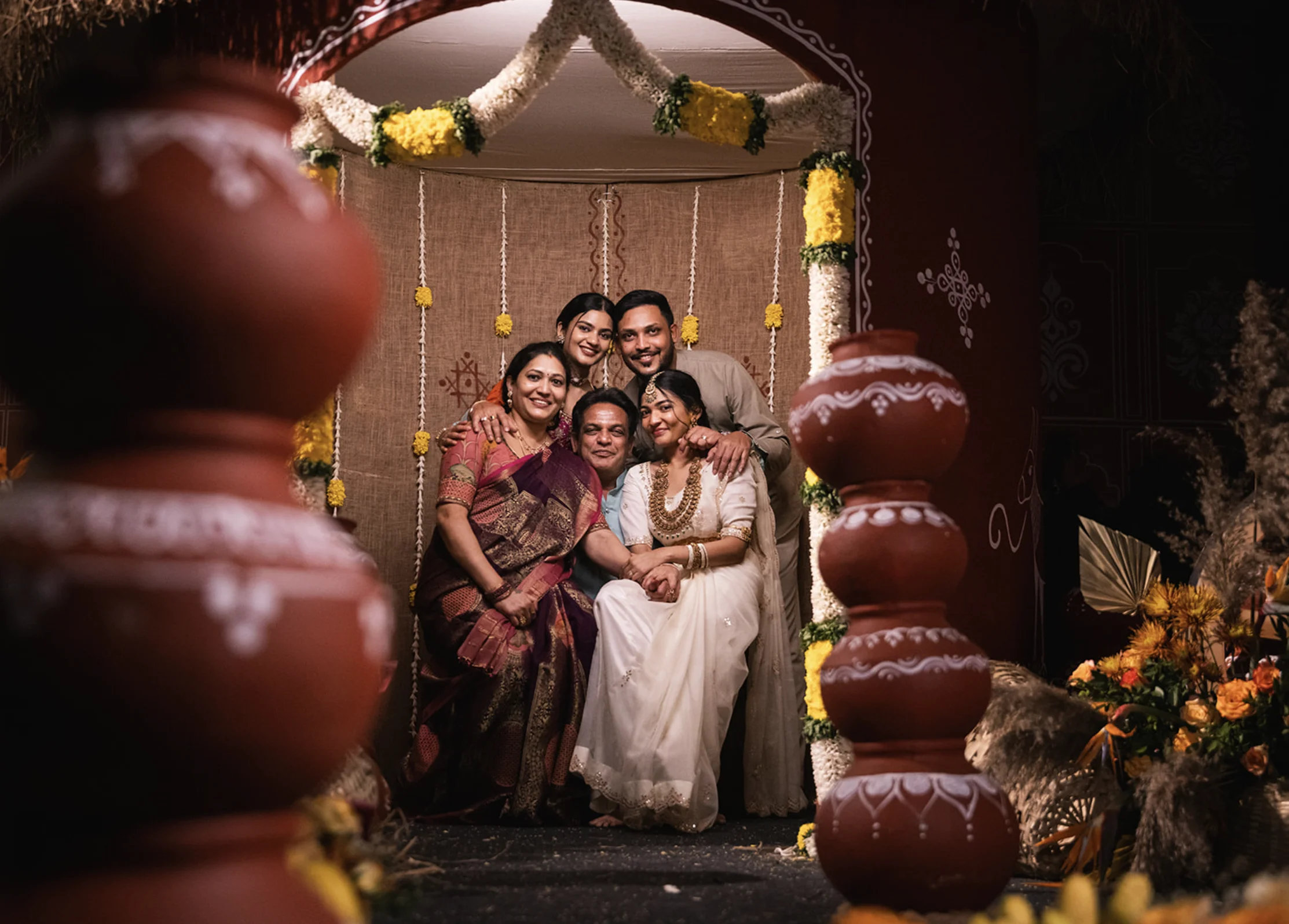
Every Wedding Has Two Celebrations, Every wedding has two celebrations, One is the celebration everyone sees,The other is the celebration quietly unfolding in the background.While the bride walks towards the mandap, her mother is trying not to cry. While the groom is laughing with his friends, his father is standing a few steps away, taking in a moment he has imagined for years. Somewhere, grandparents are sharing stories, cousins are creating memories they'll laugh about for decades, and children are running around without knowing they're becoming part of the family's history.The truth is, weddings move too fast. There is laughter in one corner, tears in another, blessings being exchanged on the stage, and heartfelt conversations happening away from the crowd,No one can witness every moment, Not the bride, Not the groom, Not even their closest family members, Everyone is busy living the day.That is why documentary wedding photography exists,It preserves the moments you never had the chance to see.
Weddings Are Beautifully Chaotic
A wedding is organised chaos.
Everything happens at once.
The bride is getting ready.
The groom is welcoming guests.
Parents are managing a hundred responsibilities.
Friends are celebrating.
Children are playing.
Relatives are arriving from every corner.
In the middle of all this movement, hundreds of beautiful moments are unfolding simultaneously.
If a photographer spends the entire day arranging poses, asking everyone to look at the camera, or recreating moments, something important is always missed.
And surprisingly, what gets missed is often what matters the most years later.
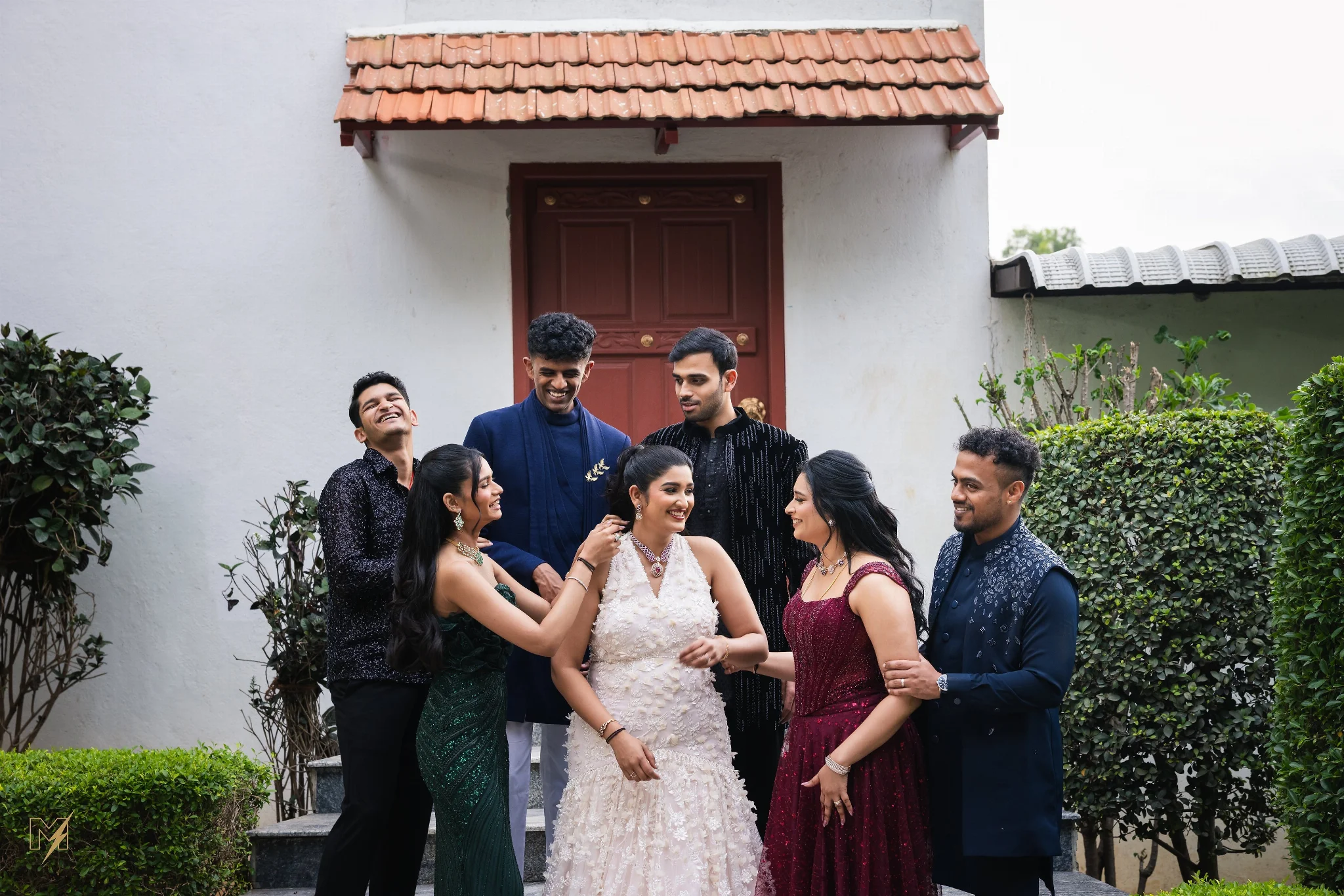
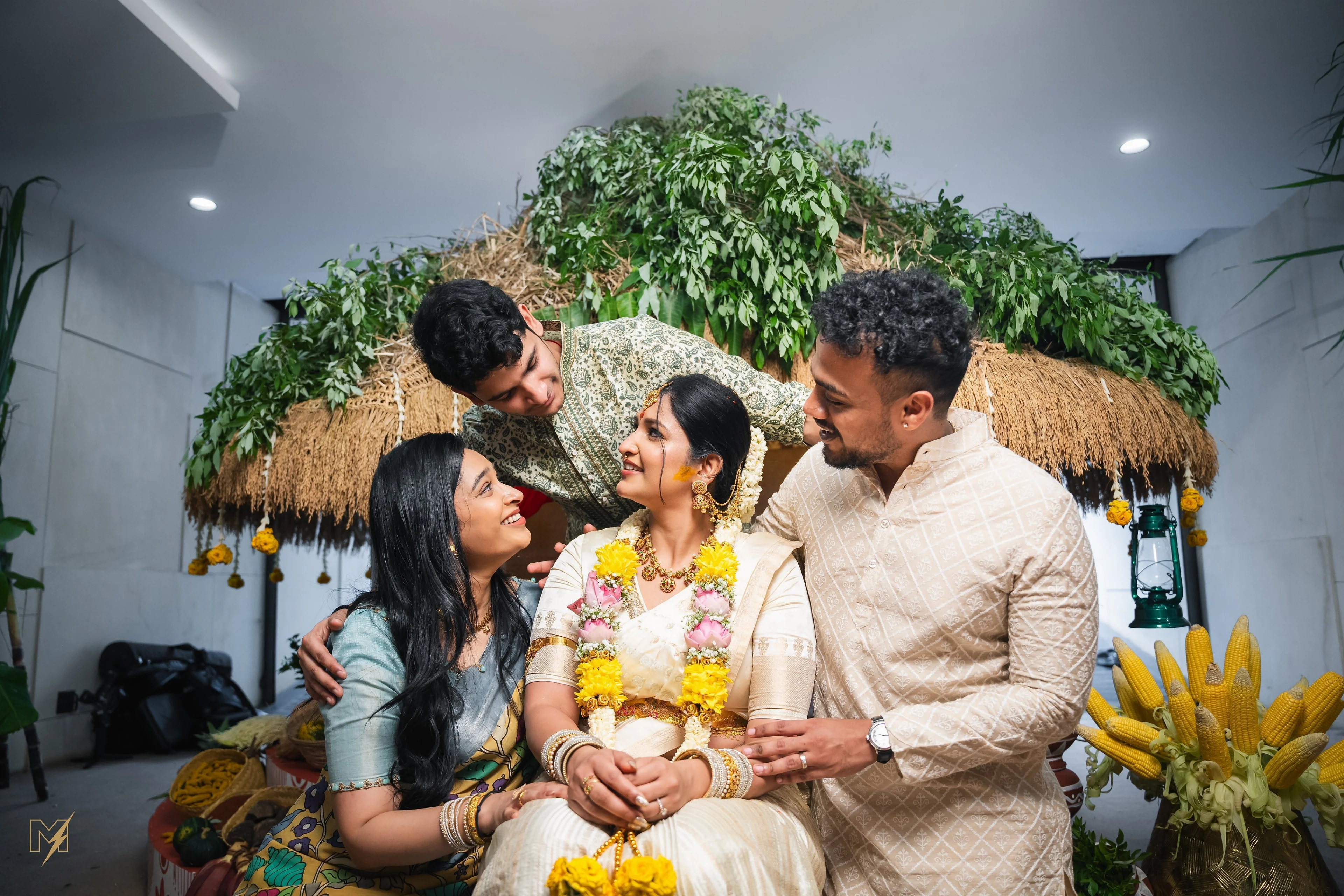
The hug between two brothers.
A grandmother quietly watching the ceremony.
A father wiping away tears before anyone notices.
These moments never ask for attention.
They simply happen.
The Beauty of Documentary Wedding Photography
At Minchu by Sujay, we believe the best photographs are rarely planned.
They're discovered.
This is the heart of documentary photography.
Instead of directing every scene, we observe.
Instead of interrupting emotions, we let them unfold naturally.
Instead of recreating memories, we preserve them exactly as they happened.
Because genuine emotions can never be recreated with the same honesty.
Our job is not to become the centre of attention.
Our job is to quietly become part of the background, allowing every family member to celebrate without feeling like they're constantly in front of a camera.
The Moments You Never Knew Happened
Imagine looking at your wedding album ten years from now.
You'll remember the mandap.
You'll remember your vows.
You'll remember your first dance.
But then you'll discover photographs you never even knew existed.
Your grandfather waiting patiently before blessing you.
Your mother adjusting your jewellery one last time.
Your best friend trying to hide happy tears.
Your little niece sleeping peacefully during the ceremony.
These are the photographs that stop time.
These are the photographs that become family treasures.
This is what makes documentary wedding photography so meaningful.
It tells the complete story not just of the couple, but of everyone who made that day unforgettable.
Watching Instead of Directing
Every wedding has an emotional rhythm.
Some moments are loud.
Others are silent.
Knowing where to stand isn't about luck.
It's about observation.
We constantly read the room, watching where emotions are naturally building.
Sometimes the most important moment is happening on the stage.
Sometimes it's twenty feet away.
It could be a grandmother smiling from the last row.
A father taking a deep breath.
Or siblings sharing a quiet laugh before the ceremony begins.
Those are the moments we look for.
Because they're real.
And reality always feels timeless.
Portraits Still Matter
Choosing documentary wedding photography doesn't mean giving up beautiful portraits.
Portraits have their own purpose.
They celebrate the couple, the effort they've put into their outfits, and the elegance of the occasion.
When it's time for portraits, we guide naturally rather than over direct.
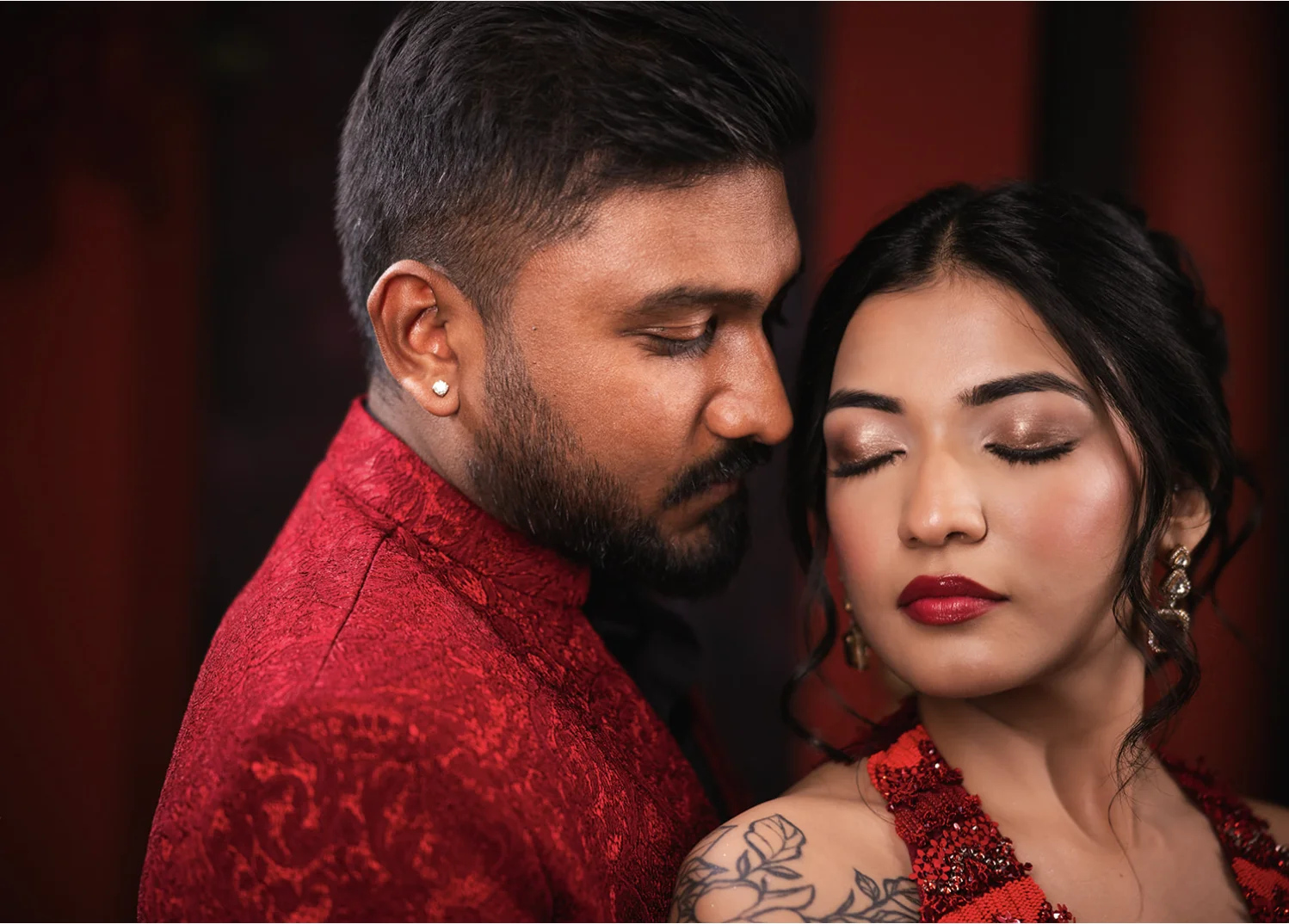
Instead of asking couples to hold uncomfortable poses, we encourage conversations, movement, laughter, and genuine interaction.
The result feels effortless because the emotion behind it is real.
Portraits become an extension of the day not an interruption to it.
The Story You'll Treasure Forever
Years after your wedding, the flowers will have faded.
The music will have stopped.
The decorations will be gone.
What remains are your memories.
And your photographs become the doorway back to them.
The greatest compliment we receive isn't that our images are beautiful.
It's when couples tell us,
"We never even knew this moment happened."
That single sentence captures everything we love about documentary photography.
It allows you to relive not only the memories you experienced, but also the countless moments you never had the chance to witness.
At Minchu by Sujay, that's our promise.
To quietly preserve the laughter, the chaos, the emotions, and the people who made your wedding extraordinary.
Because the most beautiful stories are never staged.
They're simply lived.