The Moment of Union: Understanding Kanyadaana
A wedding is a celebration of two individuals coming together, but behind every wedding is a family that has spent years nurturing, guiding, and shaping their journey. Among the many meaningful rituals of a Hindu wedding, Kanyadaana holds a particularly emotional place, It is a moment when parents offer their blessings as their daughter begins a new chapter of life. While the ceremony may appear simple, the emotions behind it are profound. It represents love, trust, acceptance, and the coming together of two families, But what exactly does Kanyadaana mean? Why is it performed, and what makes this ritual so significant in Hindu wedding traditions? Let's understand the story behind this beautiful ceremony.
What Is Kanyadaana?
The word Kanyadaana comes from two Sanskrit words: 'Kanya', meaning daughter or maiden, and 'Daana', meaning offering or giving.
In traditional Hindu wedding ceremonies, Kanyadaana is the ritual in which the bride's parents formally participate in the marriage by offering their blessings and accepting the union of the bride and groom.
It is traditionally performed by the bride's parents in the presence of the sacred fire, priests, family members, and elders.
However, the meaning of this ritual goes beyond the literal interpretation of giving away a daughter. It represents the parents' love, trust, and blessings as their daughter begins a new journey.
At its heart, Kanyadaana is about a family welcoming a new relationship and extending their blessings towards a couple's future.
Why Is Kanyadaana Considered Important in Hindu Weddings?
In Hindu wedding traditions, marriage is often regarded as a sacred commitment rather than simply a social celebration.
Kanyadaana is considered an important ritual because it represents the family's participation and blessings in the marriage. It marks a significant transition in the lives of both the bride and her parents.
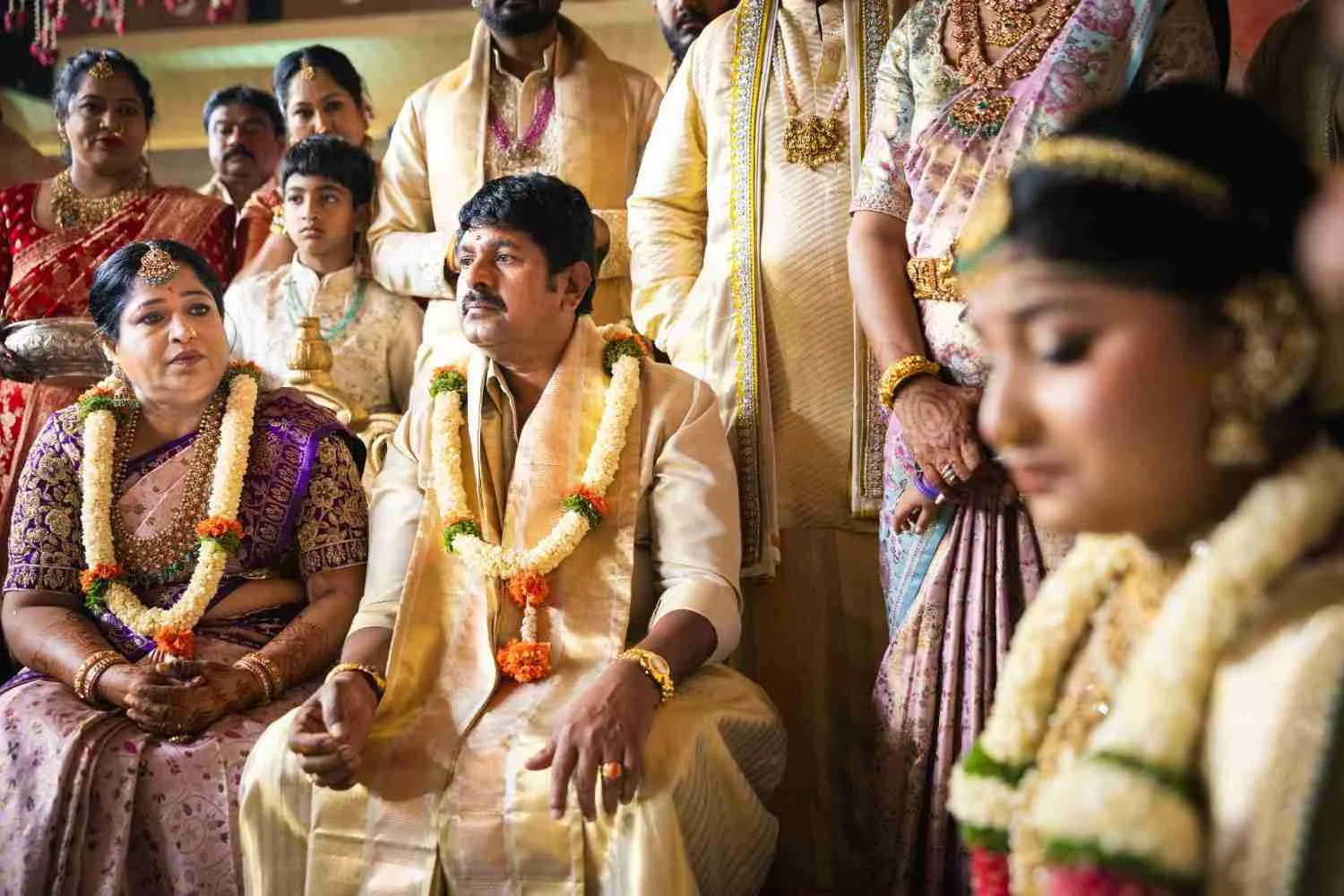
For parents, it is a moment filled with mixed emotions. There is happiness in seeing their daughter begin a new chapter, pride in witnessing her journey, and sometimes tears as they reflect on all the memories they have shared.
For the bride, it represents the love and blessings of the family that has supported her throughout her life.
The ritual also signifies the coming together of two families, where relationships are extended and new bonds are formed.
Understanding the Ritual of Kanyadaana
Although the exact customs differ across regions and communities, the central sentiment of Kanyadaana remains meaningful.
During the ceremony, the bride's parents traditionally place their daughter's hand in the groom's hand as part of the wedding ritual. This gesture is commonly associated with the acceptance of the marriage and the family's blessings for the couple.
In several traditions, water is poured over the joined hands as part of the ceremony. This act is associated with the ritual offering and the sacred nature of the commitment.
The bride and groom then receive blessings from their families and elders.
Every gesture carries significance. The joining of hands represents the beginning of a shared journey, while the blessings reflect the family's wishes for happiness, prosperity, and togetherness.
It is a moment where tradition, emotion, and family values come together.
Is Kanyadaana About Giving Away a Daughter?
One of the most discussed aspects of Kanyadaana is its literal meaning.
The traditional word 'Daan' is often translated as giving or offering. However, the deeper cultural understanding of the ritual is not that a daughter is an object being transferred from one family to another.
Rather, it represents the parents' blessings and their willingness to welcome the marriage.
A daughter does not lose her identity, independence, or relationship with her birth family after marriage. She continues to remain an important part of both families.
Modern interpretations of Kanyadaana increasingly emphasise mutual respect, equality, and the bride's own consent.
This perspective allows families to honour their traditions while recognising that marriage is a partnership between two individuals who willingly choose to build a life together.
The Emotional Significance of Kanyadaana
Some wedding rituals are remembered for their grandeur, while others stay with us because of the emotions they carry.
Kanyadaana is undoubtedly one of those moments.
Think about the parents who have watched their daughter grow, celebrated her achievements, supported her through challenges, and created countless memories with her. On the wedding day, all those years of love seem to come together in a single moment.
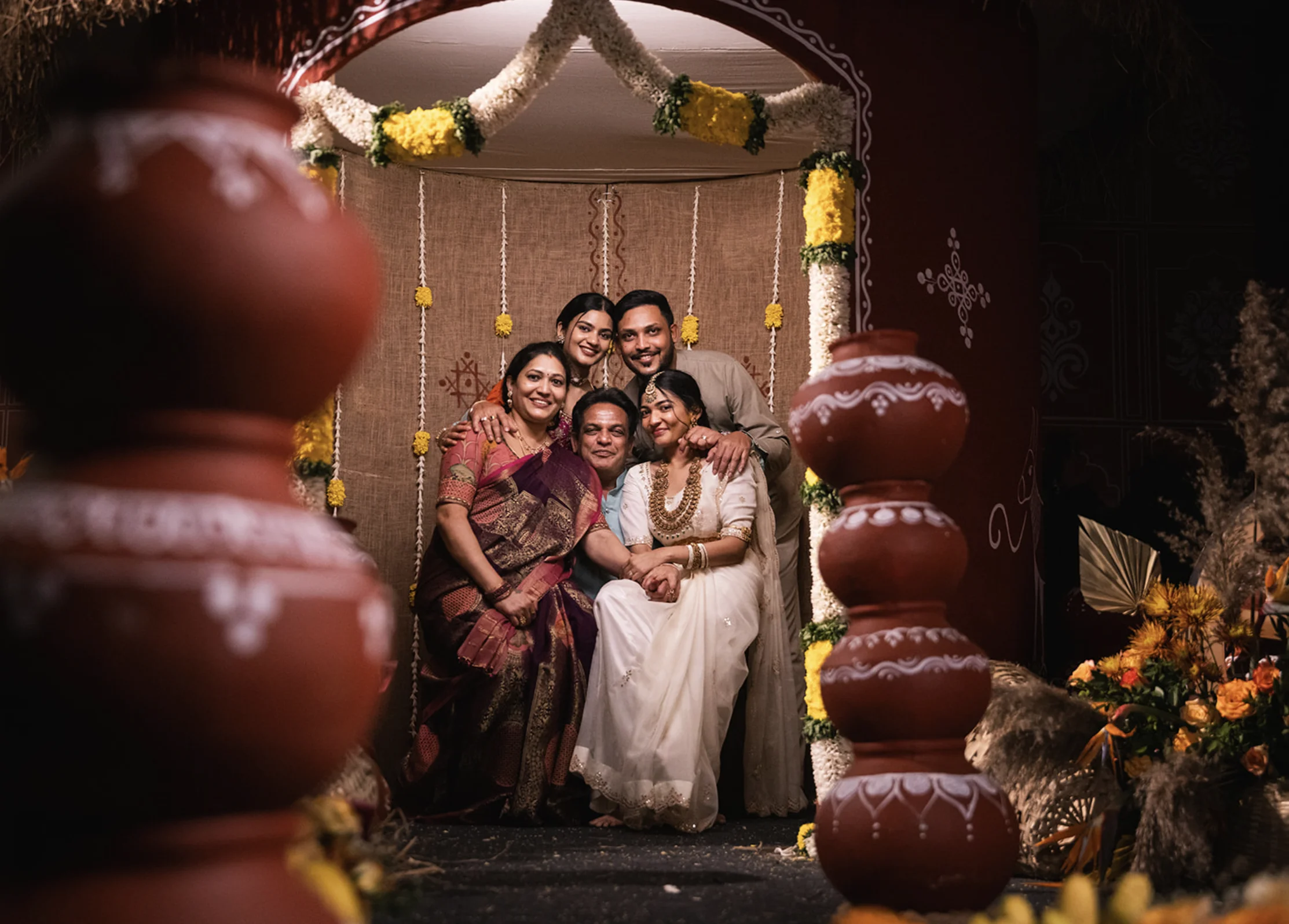
A father's hand gently holding his daughter's, a mother's emotional expression, and the bride's smile filled with happiness and gratitude make this ritual incredibly special.
It is not simply a farewell. It is a celebration of everything that has brought the family to this moment and the beginning of a new relationship.
That is what makes Kanyadaana one of the most touching moments in a traditional Hindu wedding.
What Does a Father Really Place in the Groom's Hands?
There is a deeper question hidden within Kanyadaanam: when a father places his daughter's hand in the groom's, what exactly is he entrusting him with? It is not ownership, nor is it a farewell that ends a parent's responsibility. It is a solemn act of trust, accompanied by an expectation that the groom will honour the woman he accepts as his life partner. Traditional Kanyadaanam mantras invoke the fulfilment of Dharma, Artha and Kama, reminding us that marriage is not merely about receiving a bride but about embracing the responsibilities of companionship.
The groom is expected to be a person of good character and wisdom, capable of walking alongside her in life's duties.
The sacred water poured over their joined hands further marks the offering as a formal religious act. Perhaps the most meaningful way to look at this ritual is to shift our attention from what the parents give to what the groom is expected to uphold.
A daughter's hand may be placed in another's, but her dignity, individuality and bond with her parents are never handed over.
Capturing the Emotions Behind Kanyadaana
For a wedding photographer, some of the most meaningful photographs are not always the grandest ones. They are often found in the smallest gestures and the most genuine emotions.
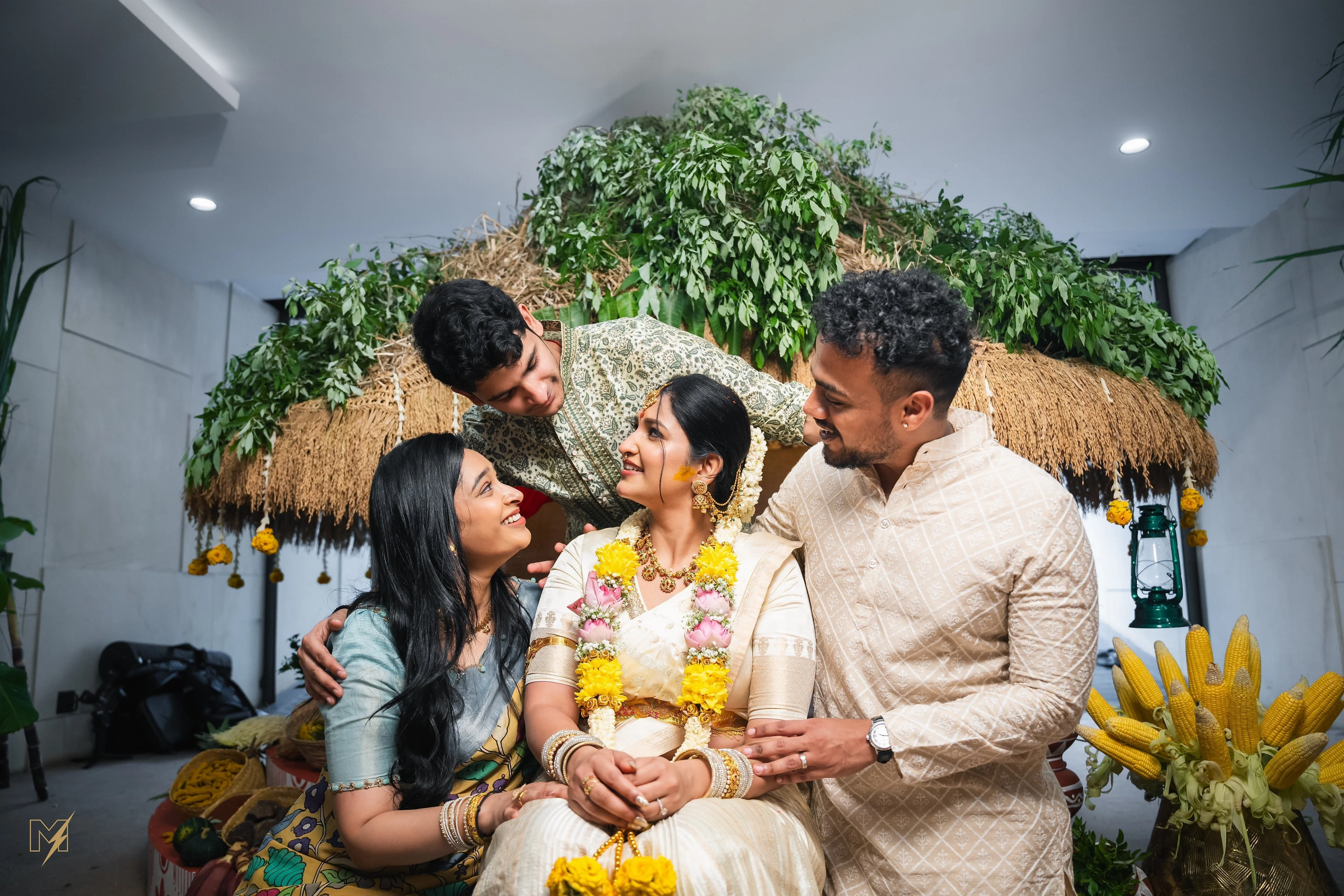
Kanyadaana offers countless such moments. A parent's teary eyes, the bride's expression, the gentle joining of hands, and the blessings exchanged between families all tell a story that deserves to be remembered.
At Minchu, our legacy of 17 years has been shaped by understanding that wedding photography is about more than documenting ceremonies. It is about recognising the emotions behind traditions and preserving the stories that make every wedding unique.
From the anticipation before a ritual to the expressions that unfold naturally, every photograph becomes a piece of a family's history.
Because the most beautiful award winning photography is not just about capturing a perfect frame. It is about preserving a moment that holds meaning long after the celebrations are over.
Choosing the best photographer means finding someone who understands the importance of these traditions and knows how to capture the emotions without interrupting their beauty.
A New Beginning, Rooted in Blessings
Kanyadaana reminds us that a wedding is not just the union of two individuals but also the coming together of families, memories, and traditions.
The ritual carries the blessings of parents who wish nothing but happiness and a beautiful future for their daughter and her partner.
Years later, when families look back at their wedding photographs, this moment becomes a reminder of the love, emotions, and blessings that surrounded the beginning of a new journey.
At Minchu, we believe every wedding has moments worth preserving, because some memories are too meaningful to be left behind.