Wedding Photo Poses: How to Look Natural When a Camera is Pointed at You
The anxiety that most couples feel about being photographed is not really about posing. It is about self-consciousness. Most people have never spent extended time being looked at by a lens, and the awareness of that attention tends to produce a very specific kind of tension that shows up clearly in photographs: stiffened shoulders, a slightly forced quality to the smile, a posture that is more performed than lived. What couples really need is not a collection of wedding photo poses to memorise. They need to forget the camera is there.
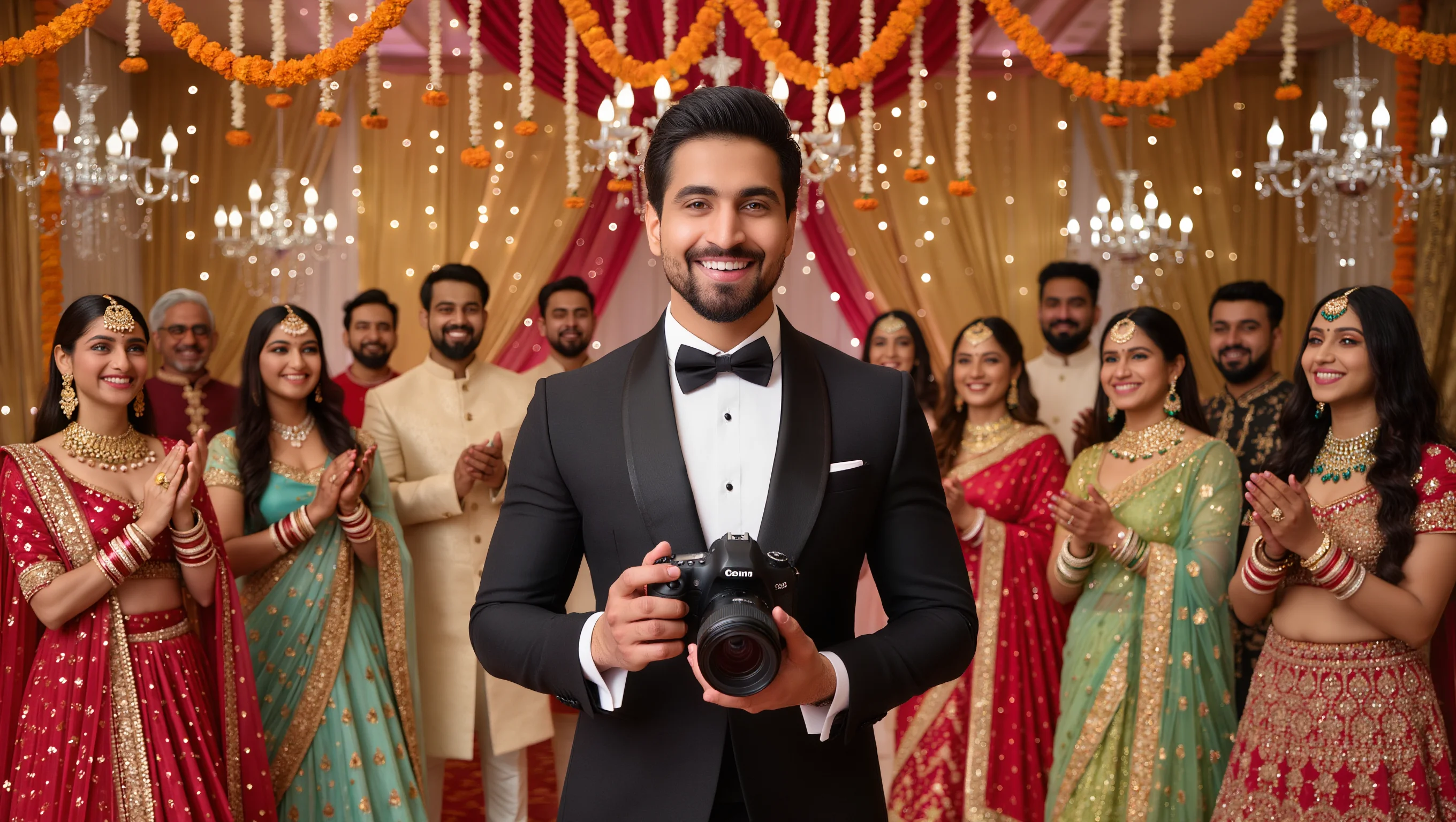
Almost everything we do during portrait sessions at Minchu by Sujay is designed to achieve exactly that. The poses and positions that look good in photographs are almost always byproducts of people genuinely engaging with each other rather than the result of careful physical instruction. Here is what actually produces beautiful images.
Movement Is Your Best Friend
Of all the techniques available for producing natural-looking wedding photo poses, movement is the most consistently effective. When people are standing still and waiting to be photographed, they have time to think about their expression, their posture, their hands, and the general question of whether they look ridiculous. When people are walking, turning, or responding to something in real time, all of that mental space is occupied with the movement itself and the genuine expressions that accompany it.
We ask couples to walk together a great deal during portrait sessions. Not to pose while walking, but to actually walk at a normal pace, talking to each other about whatever comes naturally. The images we make while following a couple on a genuine walk, even a short fifty-metre walk back and forth through a beautiful location, are almost always more interesting and more natural-looking than anything produced while the couple is standing still. The clothing moves beautifully. The hair catches the breeze. The body finds positions that are naturally graceful in a way that deliberate arrangement rarely achieves. Browse our wedding portfolio to see how much of our portrait work is built around natural movement rather than static positioning.
Twirling, if the bride is wearing an outfit that lends itself to it, produces images with a joy and energy that is genuinely difficult to achieve any other way. The spinning fabric, the hair lifting, the instinctive delighted expression on a face caught mid-turn, these are images that feel alive in a way that still portraits often do not. If the outfit and the confidence are there, we always try at least a few twirling frames.
What to Do With Your Hands and Your Face
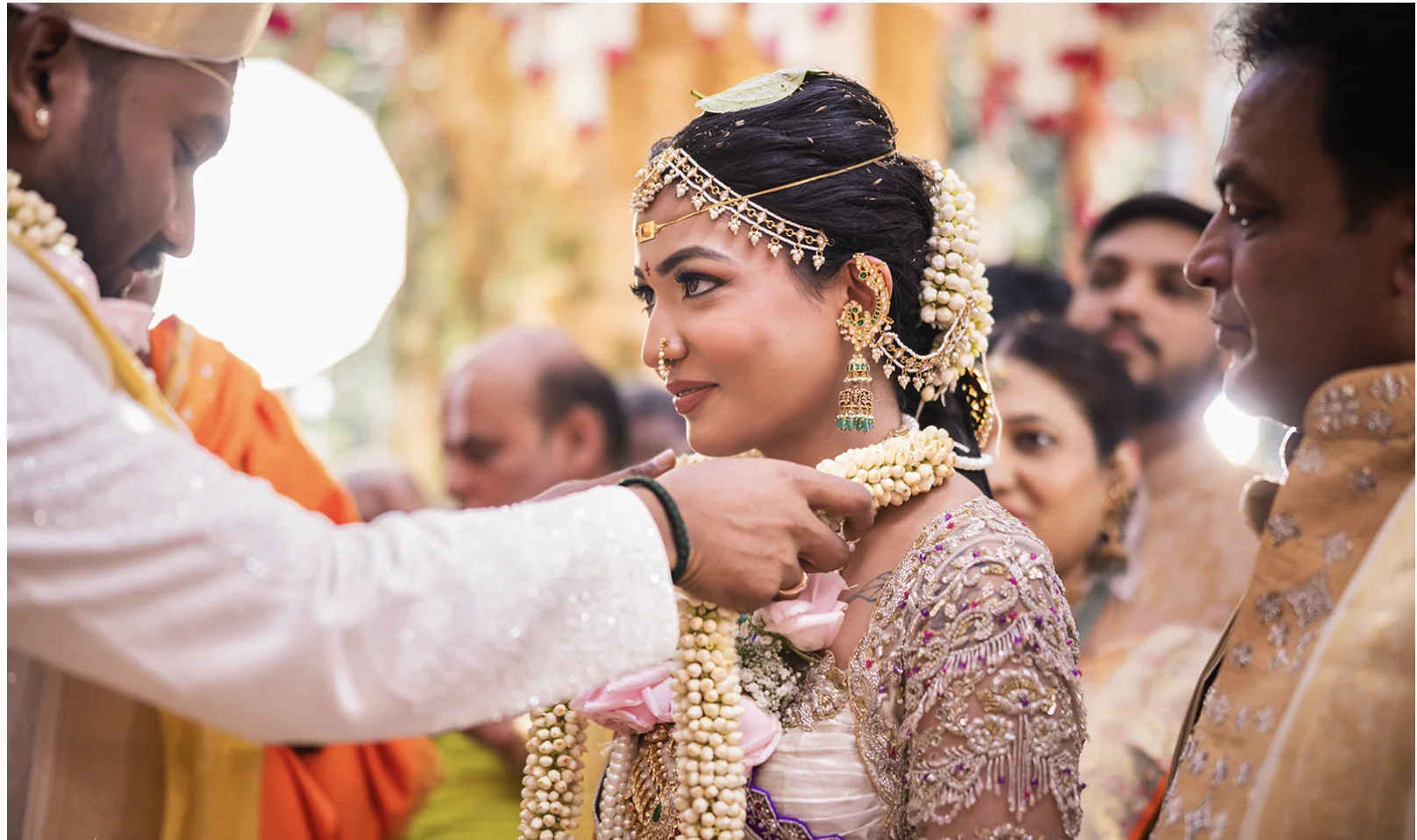
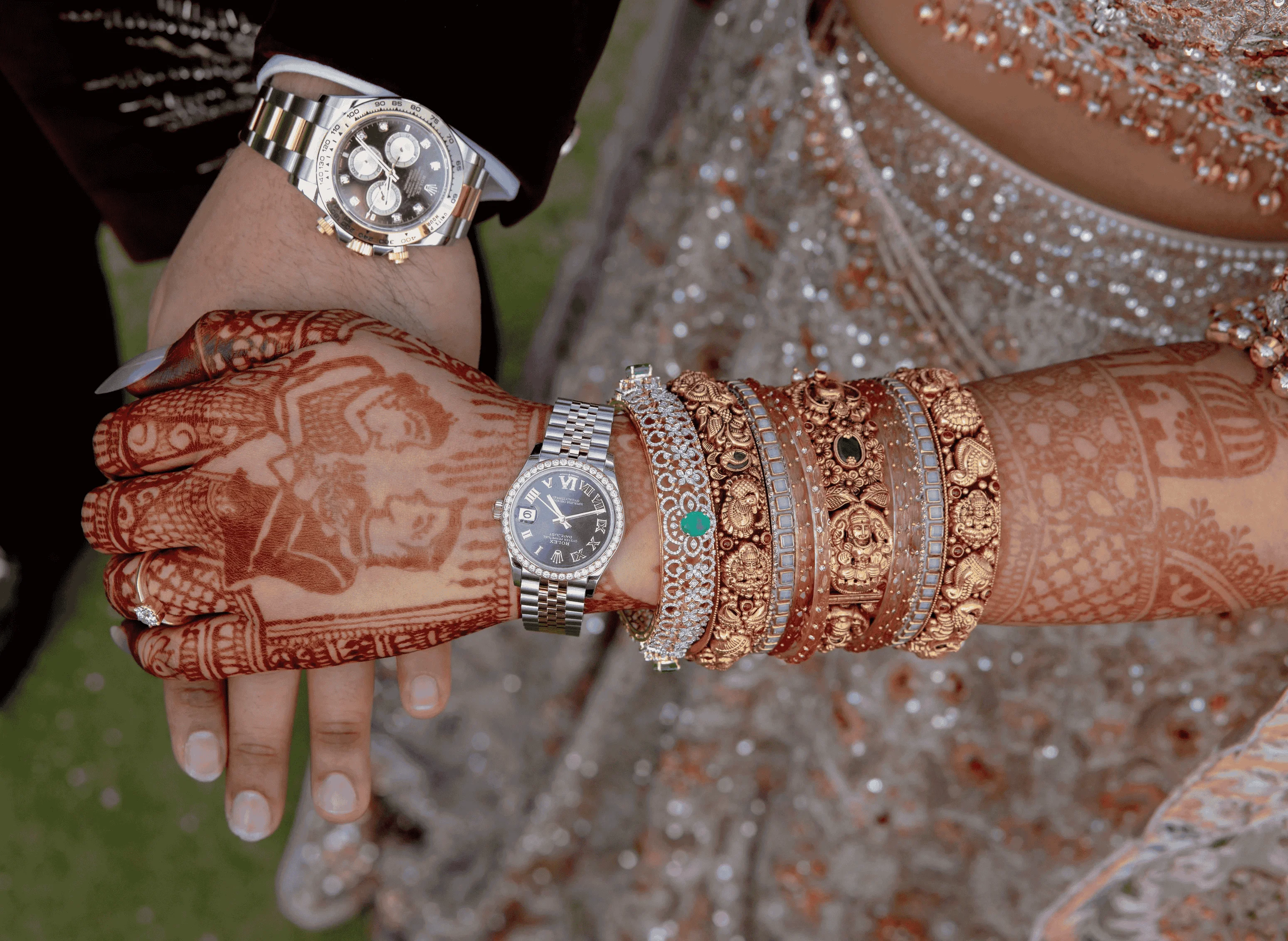
Two of the most common anxiety points for people being photographed are what to do with their hands and what expression to make. The answer to both is the same: give yourself something real to do. When hands are holding something, or holding each other, or doing something purposeful, the tension disappears. When a face is responding to something genuine, whether laughter, tenderness, or the experience of being looked at by someone you love, the expression takes care of itself.
Practical approaches that consistently work well: we whisper a prompt to one partner that the other does not hear, asking them to say something specifically complimentary or funny, and photograph the other partner's unguarded reaction. We ask the couple to tell us the story of how they met while walking, and document their faces as they tell it. We ask the groom to whisper something into the bride's ear and photograph the moment of response. None of these are technically wedding photo poses in the conventional sense. But they produce the kind of expressions and body positions that conventional posing instruction is trying to replicate, with the fundamental advantage of being real. For extensive posing reference from real weddings, The Knot and WeddingWire have well-curated collections. More of our thinking on the craft of wedding photography lives in our blog.
Group and Family Photographs Done Well
Group portraits are the part of the wedding day that most photographers and most couples find least enjoyable, and for good reason. Arranging large numbers of people into frames that look natural, gathering them efficiently without a lengthy search across a large venue, and producing images where everyone is visible and nobody looks uncomfortable requires both logistical planning and considerable people management skill.
The practical advice we give every couple is to create a specific, ordered list of the family groupings they want before the wedding day and to assign one person on each side of the family, typically a sibling or cousin rather than a parent, to be the photograph coordinator for that group. Their job is simply to know who needs to be in which shots and to bring those people together quickly. This single organisational step can reduce the time required for group portraits by thirty to forty percent, which means more time for everything else.
For the actual positioning of groups, staggered heights tend to look much better than a single flat row. Some seated in front, some standing, and some on a raised surface if the venue provides it. This creates visual depth and ensures every face is visible without anyone being hidden behind a shoulder. Ask your photographer to use a longer focal length for large group shots, which produces more natural-looking proportions than a wide-angle lens that distorts the people at the edges of the frame. The best family wedding photo poses often happen in the few seconds between the formal frame and the moment the group disperses, when people relax, laugh, and return to being themselves. Talk to us about how we approach portrait sessions, and read our guide on real wedding photography tips to prepare for every aspect of your photography experience.